
Global Education Initiative
-
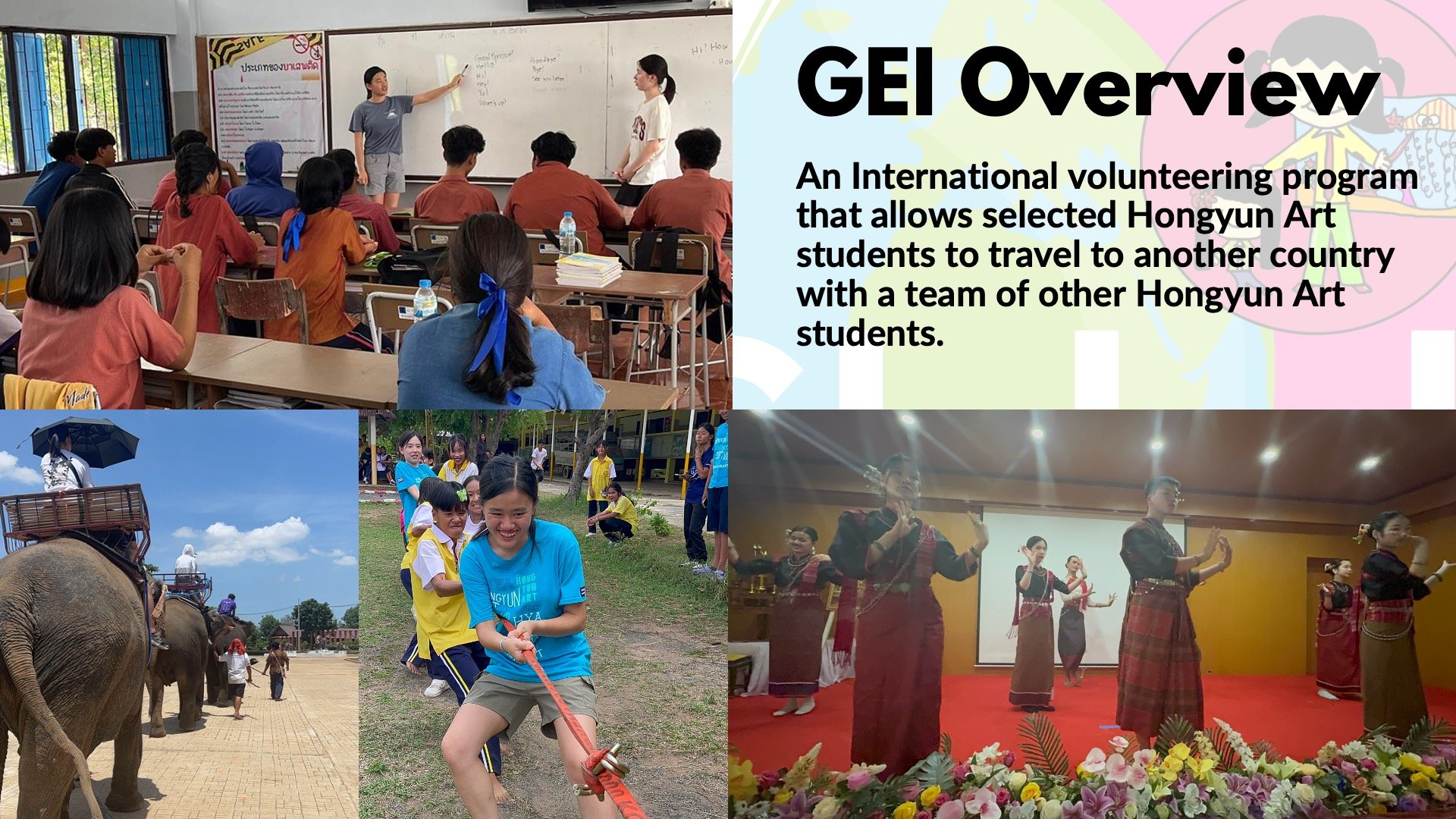
GEI started in 2017 and stands for Global Education Initiative.
It is a two-week international education, service and leadership experience organized through Hongyun Art Foundation.
GEI is built around a simple idea: young people grow when they step outside the world they already know.
During the first week, students immerse themselves in an underserved community, working directly with local students. During the second week, students move into a developed urban environment such as Japan, where they take on a different challenge: independence, planning and leadership.
It is not simply a trip. It is two very different worlds — and two very different kinds of learning.
One Important Thing for Parents to Understand
GEI is carefully organized, but we intentionally do not remove every challenge from international travel.
A different meal. An unfamiliar language. Carrying your own luggage. Finding the correct train. Working with teammates who want to do different things. Communicating with someone from another culture. Making a mistake. Changing a plan. Solving a problem without Mom or Dad immediately stepping in.
Those experiences matter.
At the end of every day, students write down what happened, what they learned, and what they thought about the other side of the world.
Years later, those reflections may help them remember much more than where they traveled. They may remind them of when they became more independent, when they started seeing the world differently, and when they discovered that they could figure things out for themselves.
The destination matters. The people they travel with matter. The experiences matter.
GEI isn't simply about taking students somewhere new. It's about helping them come home different.
-
A traditional student tour often looks like this: Adult plans → Student follows → Student takes pictures → Student goes home.
GEI is designed differently: Experience → Responsibility → Problem-Solving → Reflection → Mentorship → Growth
Students don't simply visit another country. They experience communities and cultures very different from their own. They meet people, observe, make decisions, navigate, work with teammates, make mistakes, solve problems, learn from Hongyun and Tommy, and—when available—spend time with older GEI alumni who were once standing exactly where they are now.
Every day, students stop and reflect on what the experience means. Meanwhile, parents remain closely connected through frequent photos, videos, and student reflections.
GEI gives students independence without removing adult supervision
-
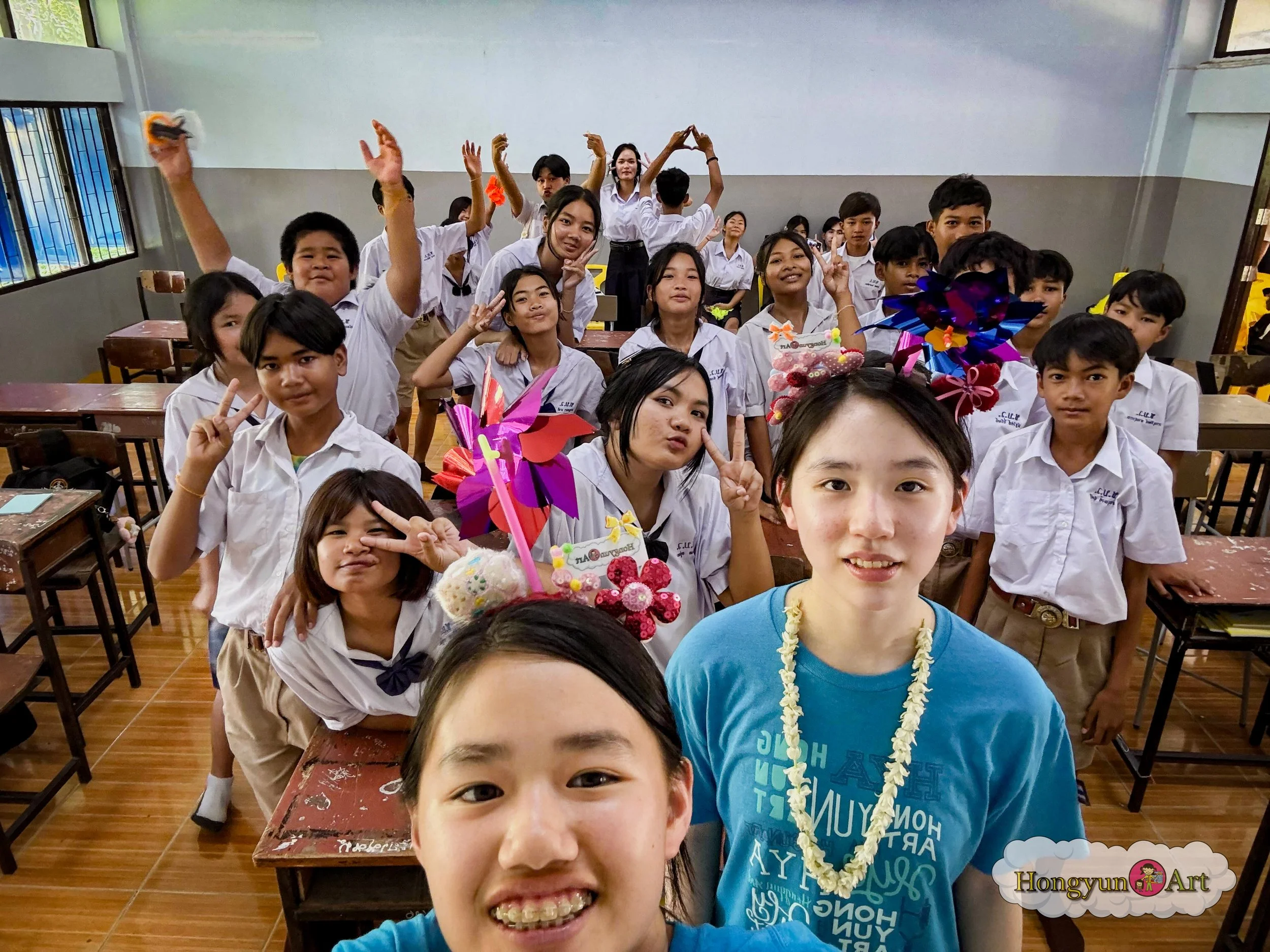
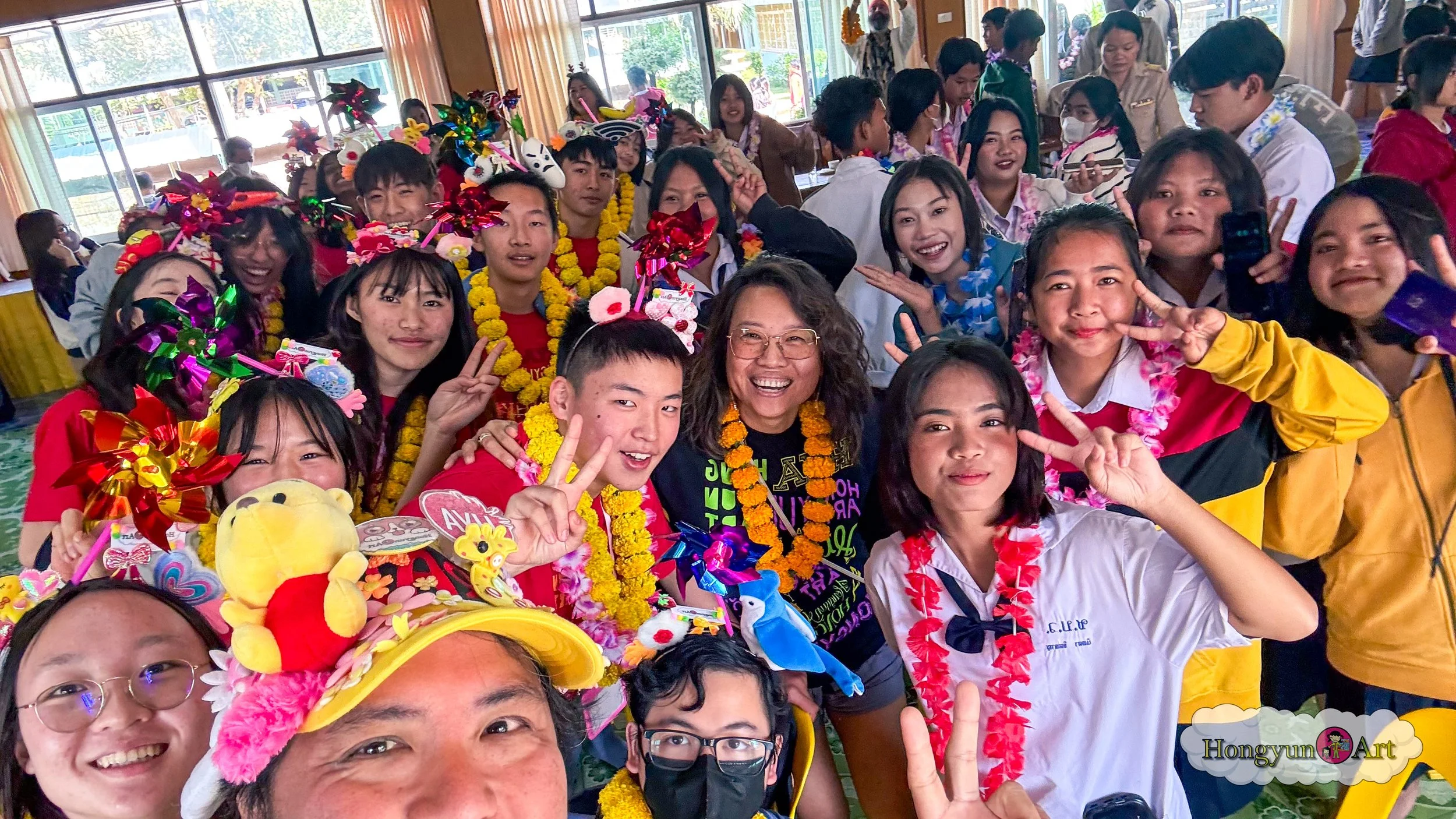
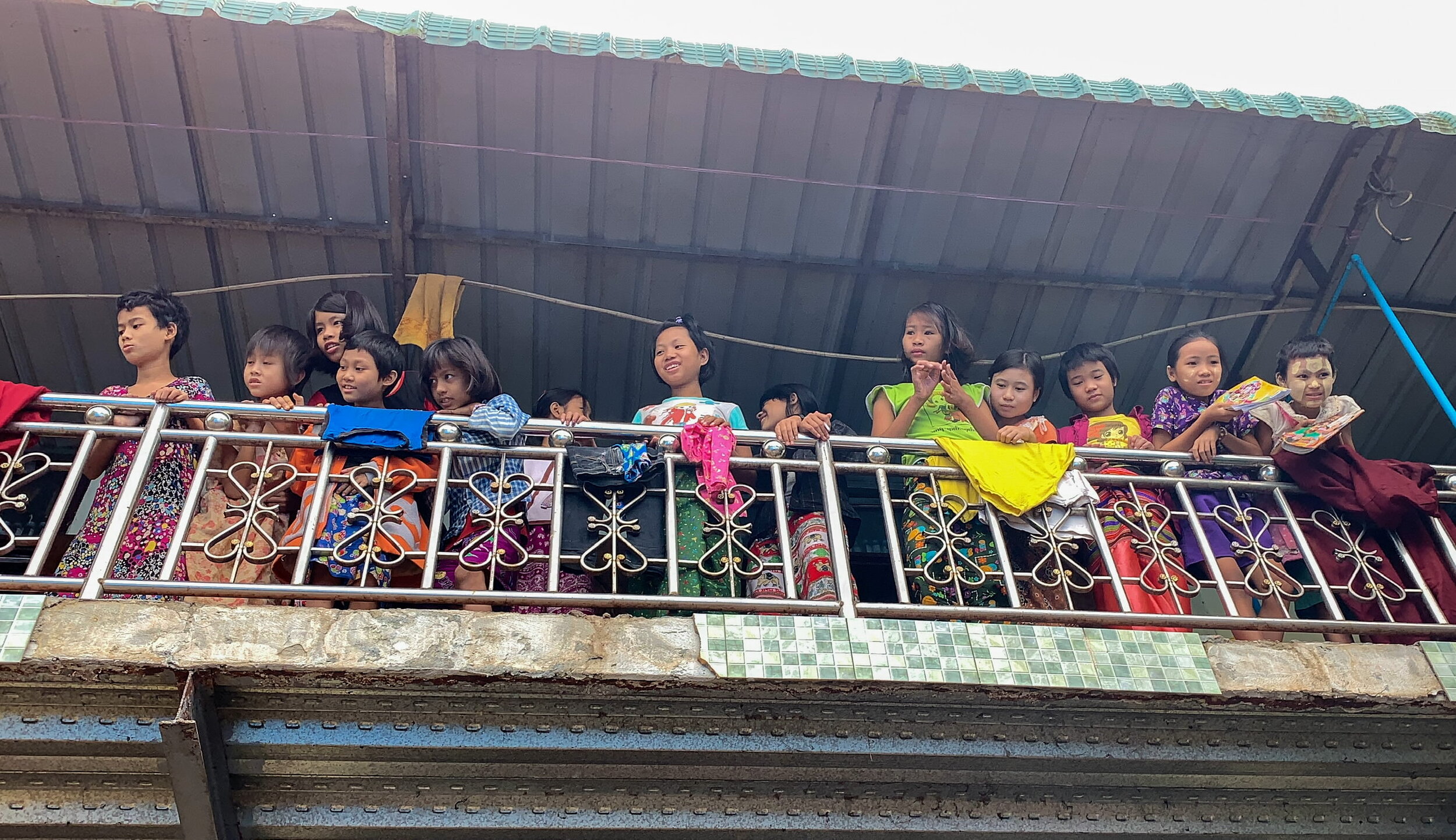
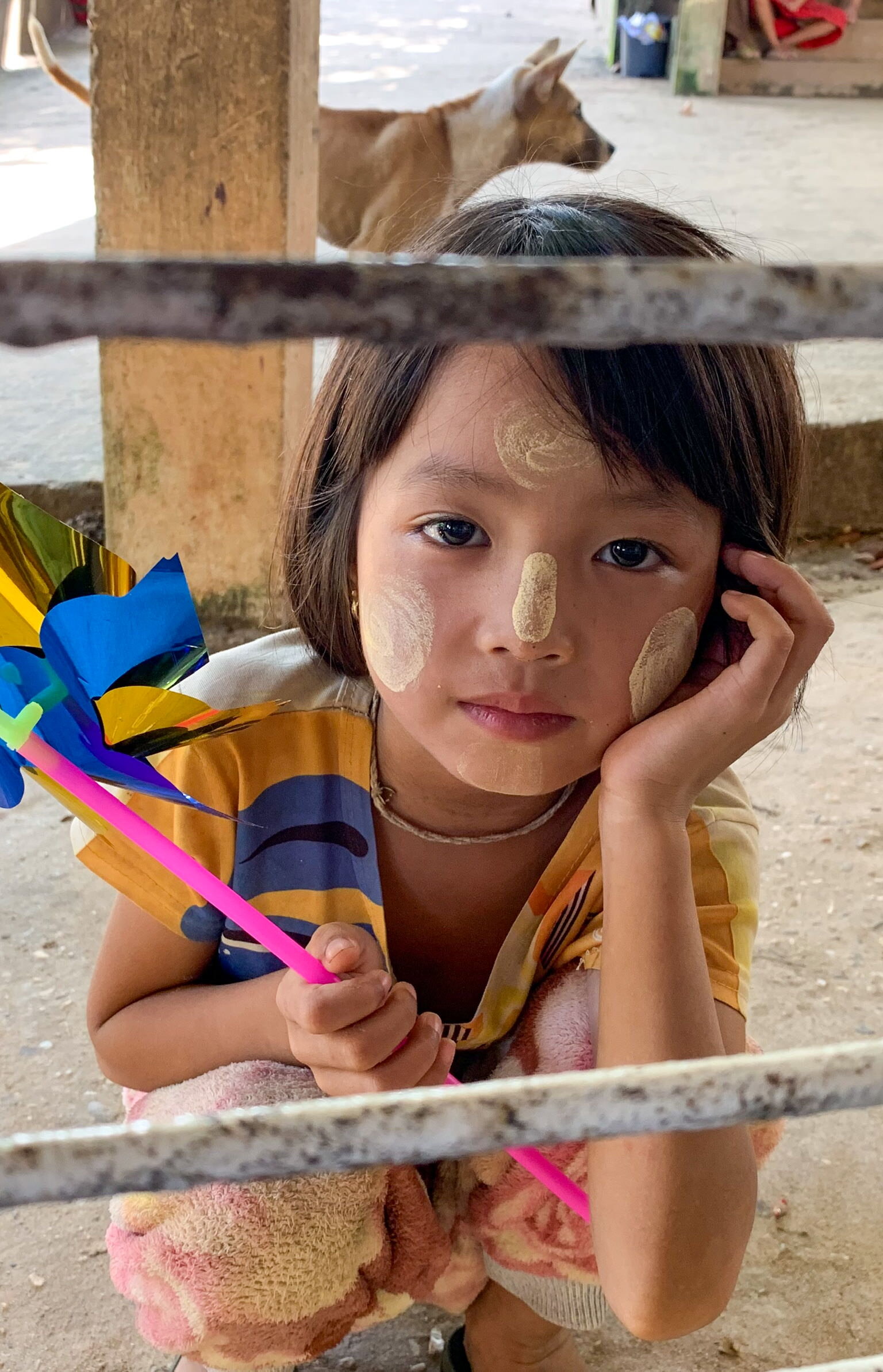
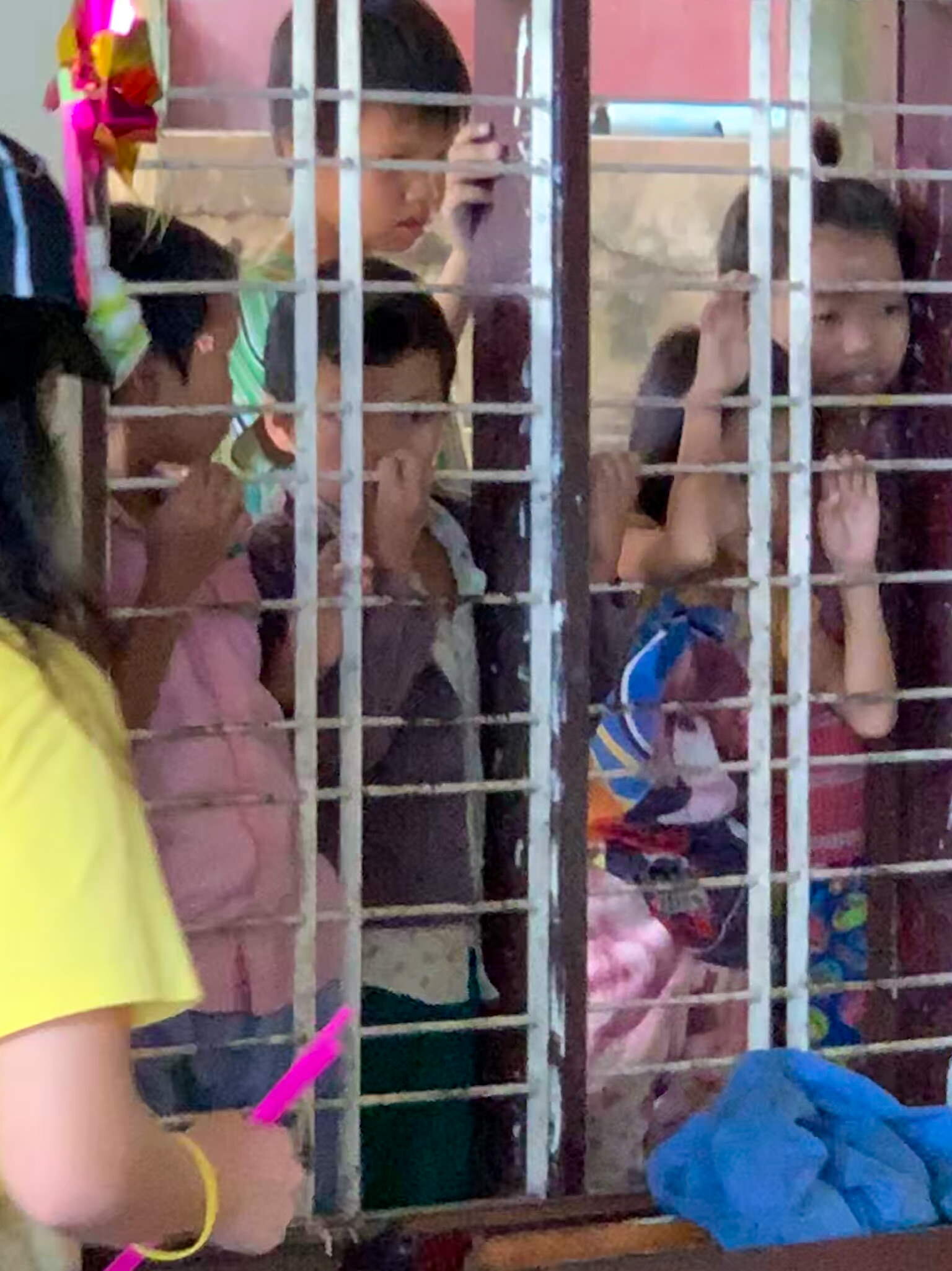
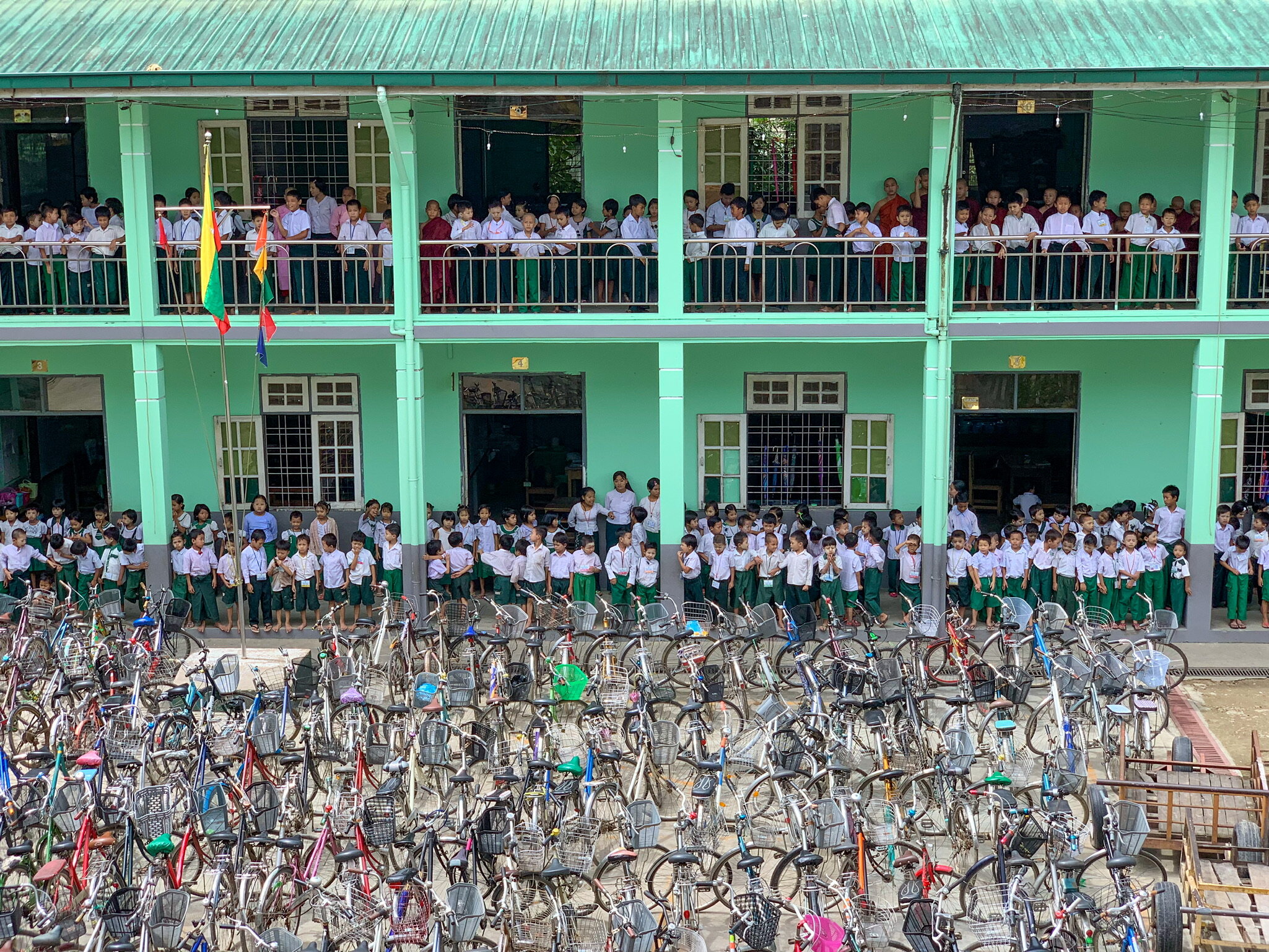
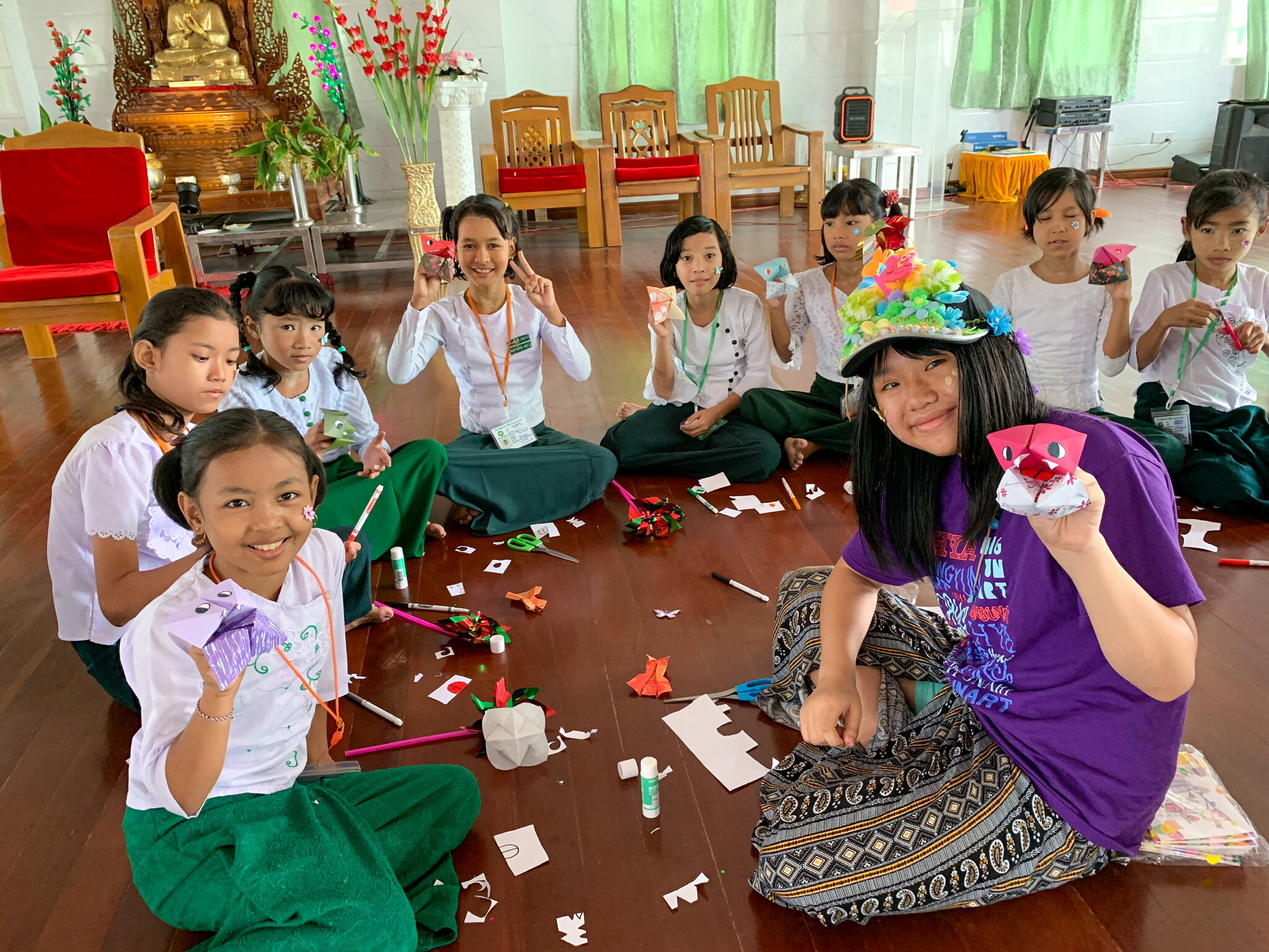
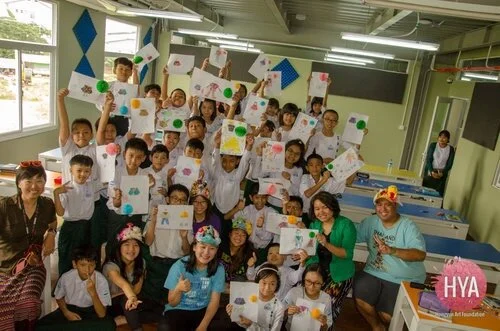
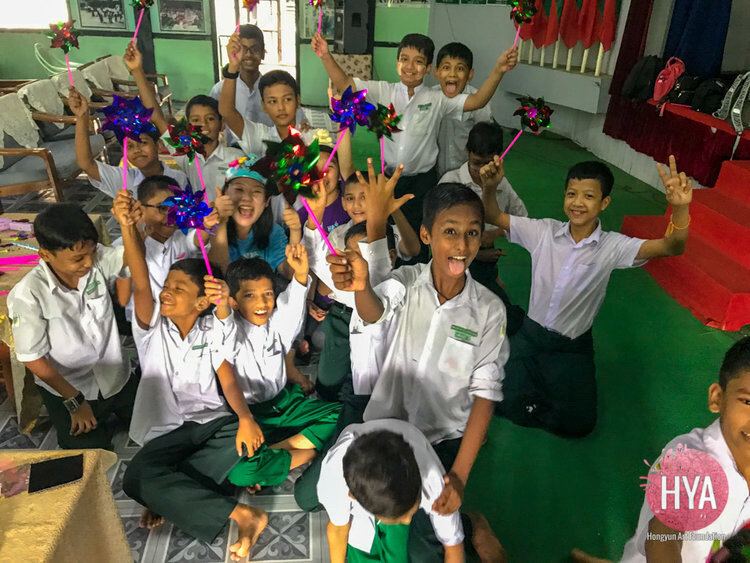
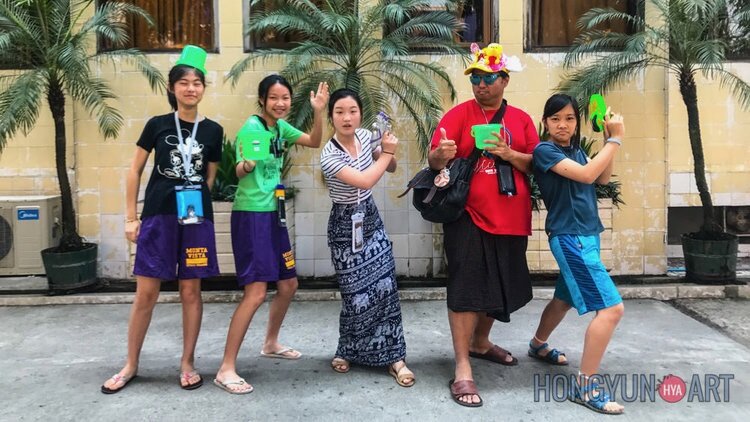
The first week focuses on service, human connection and perspective. In recent years, GEI has worked with communities in Thailand, including an elephant village and partner school.
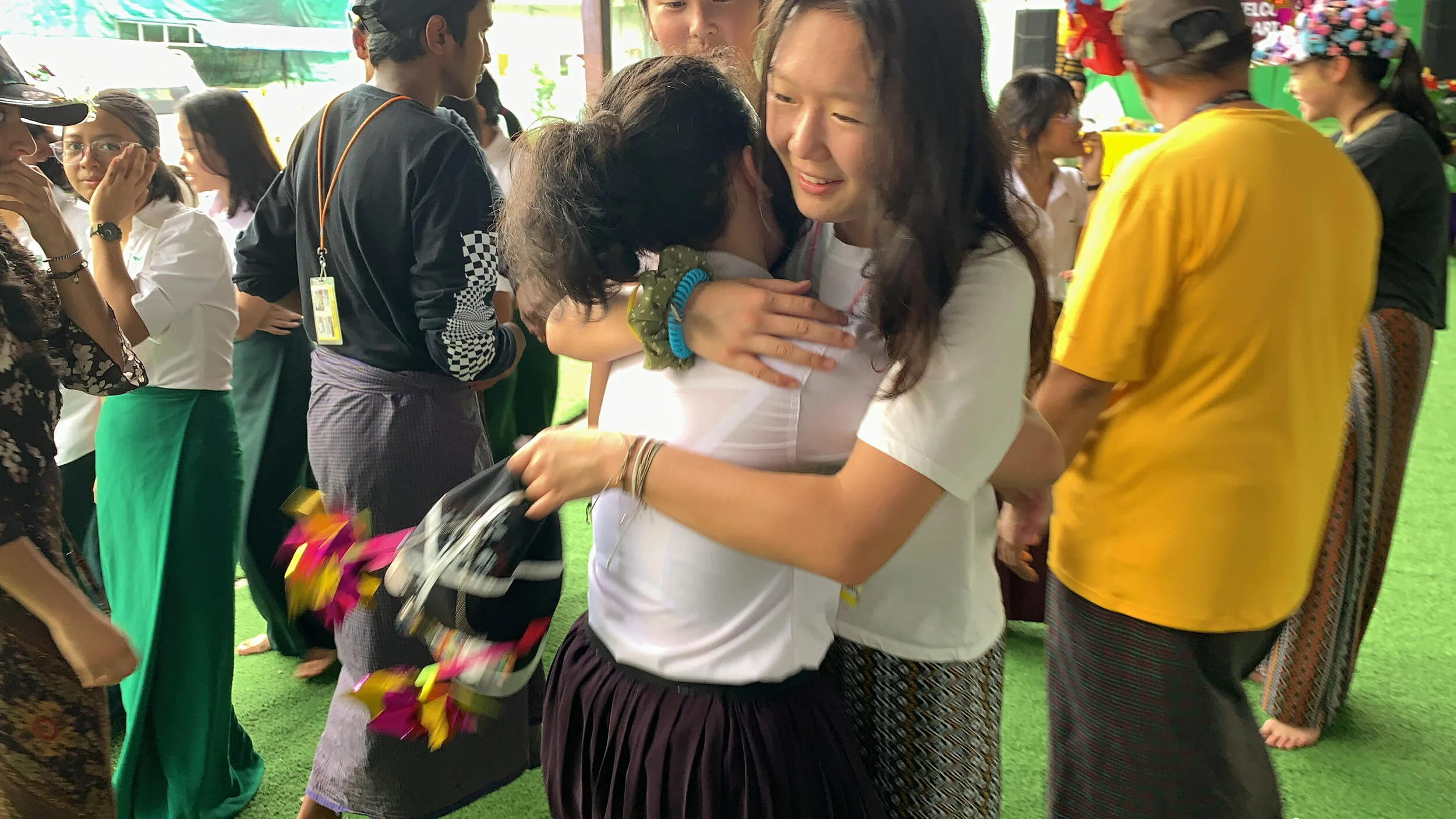
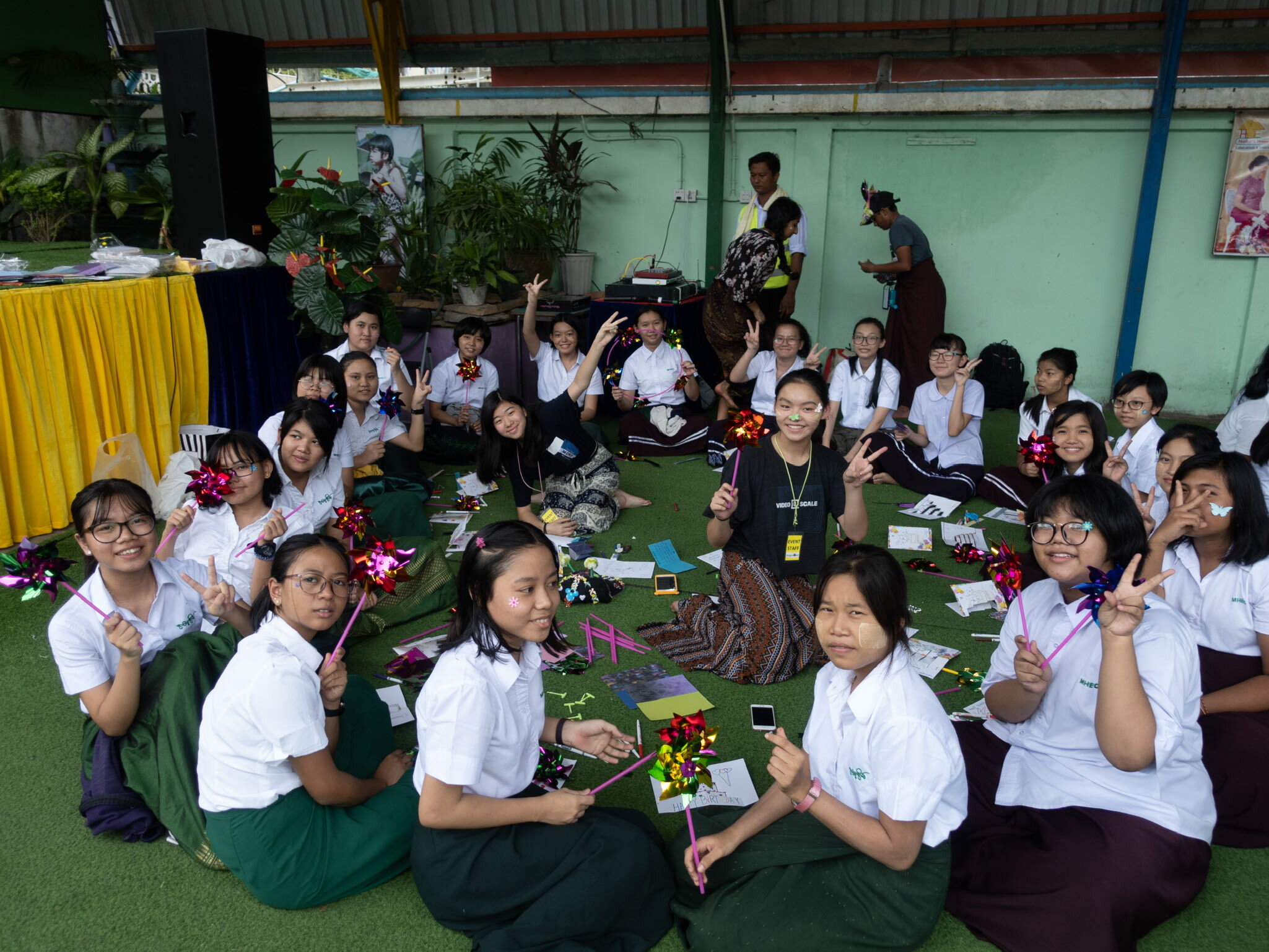
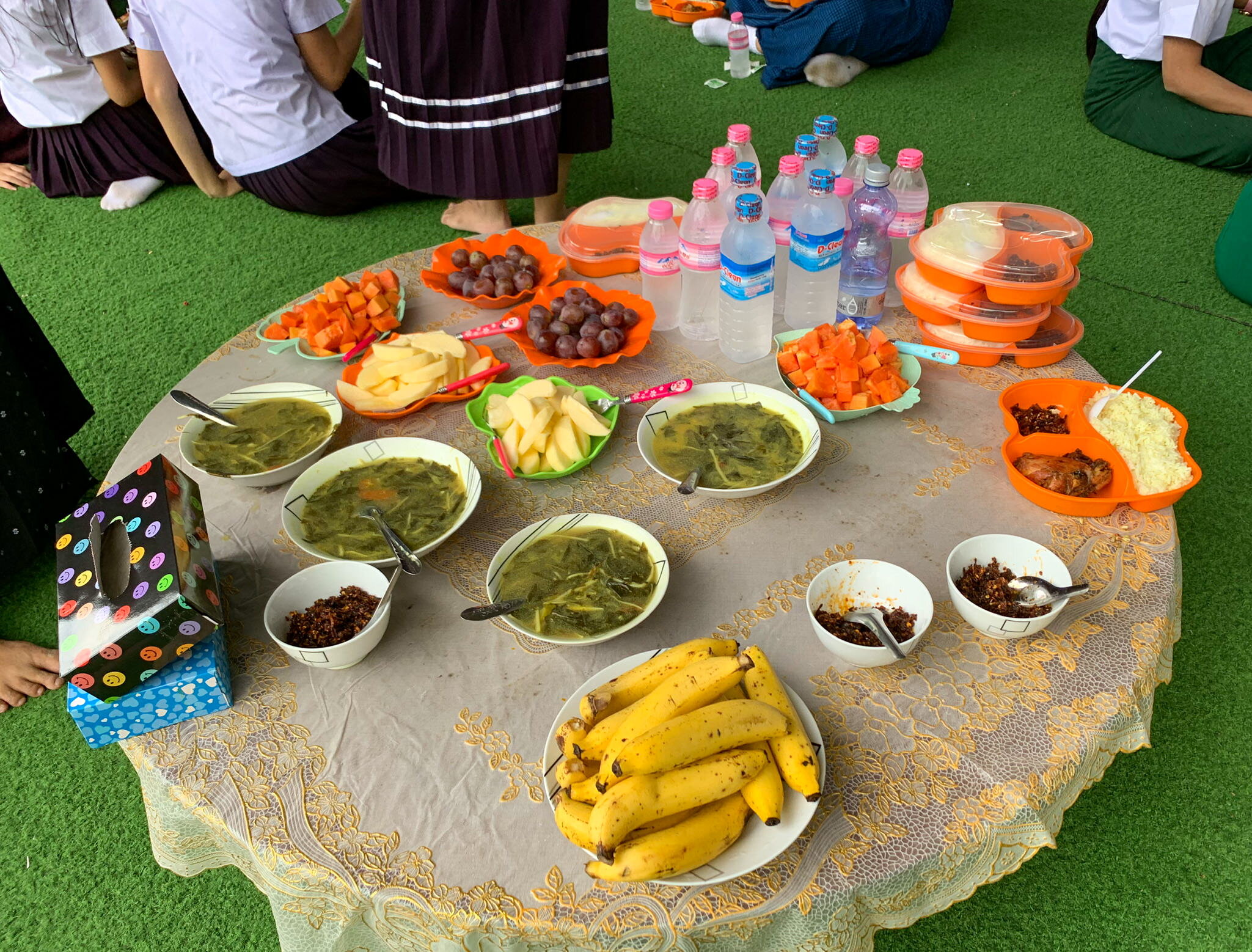
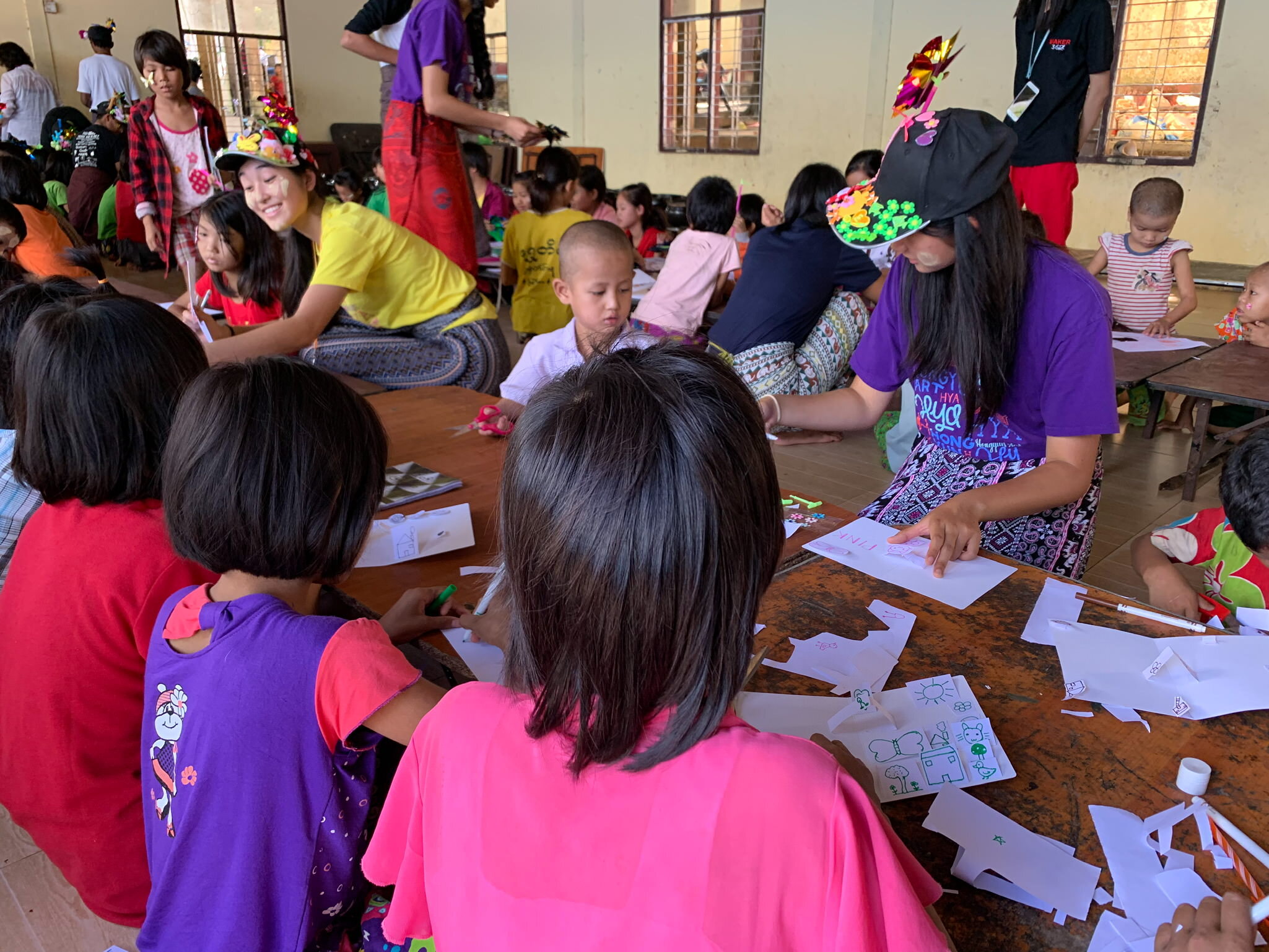
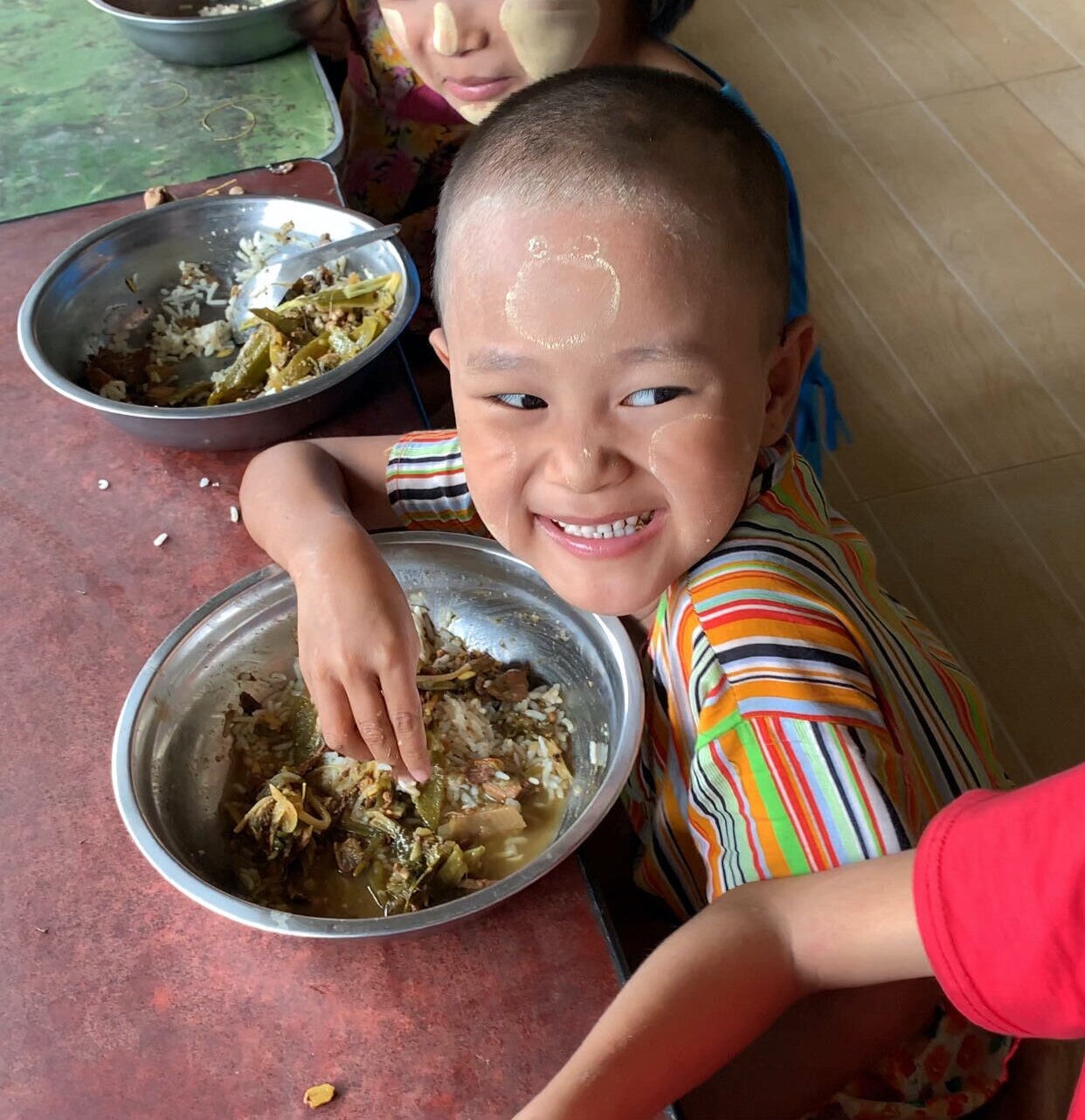
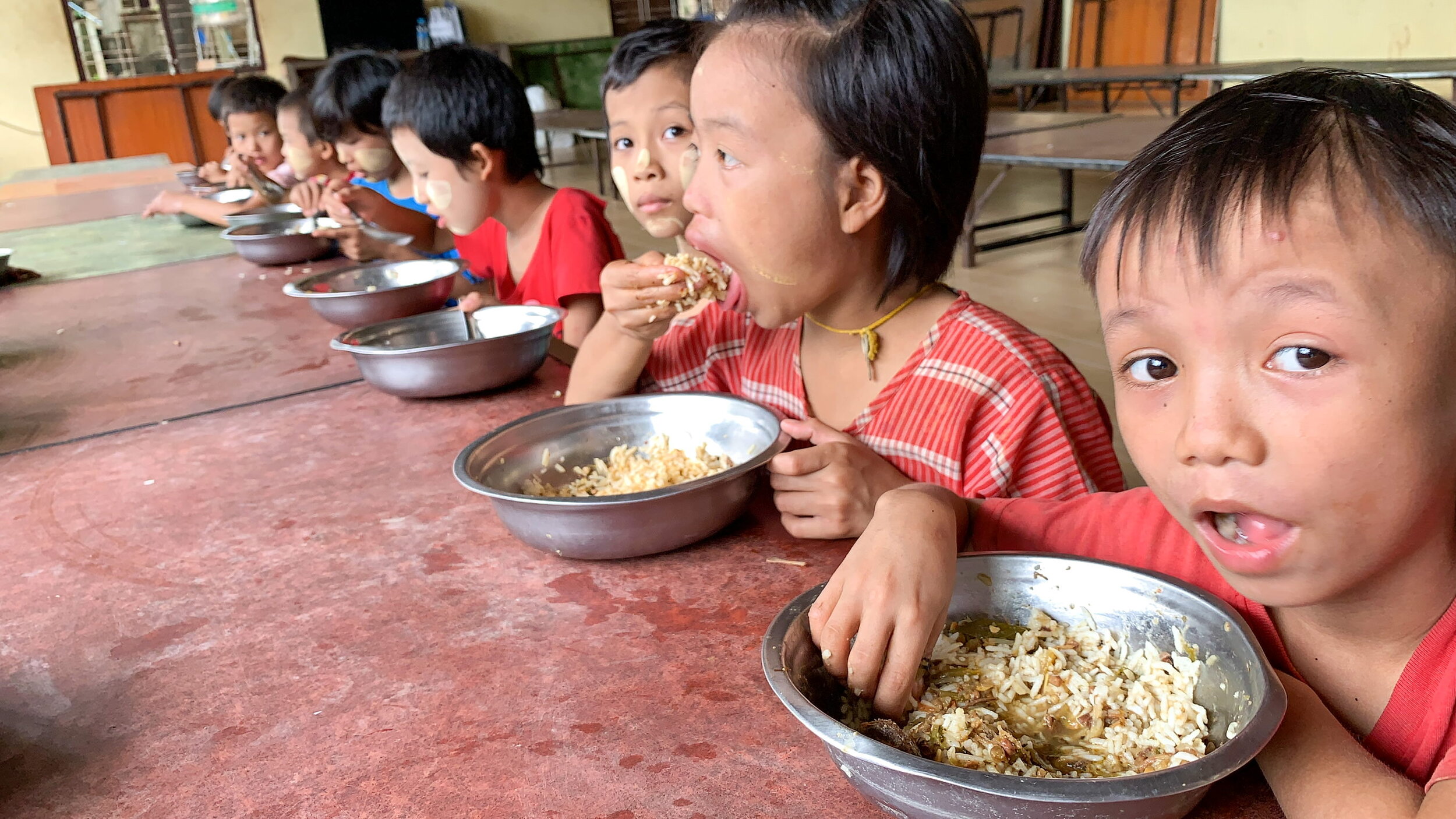
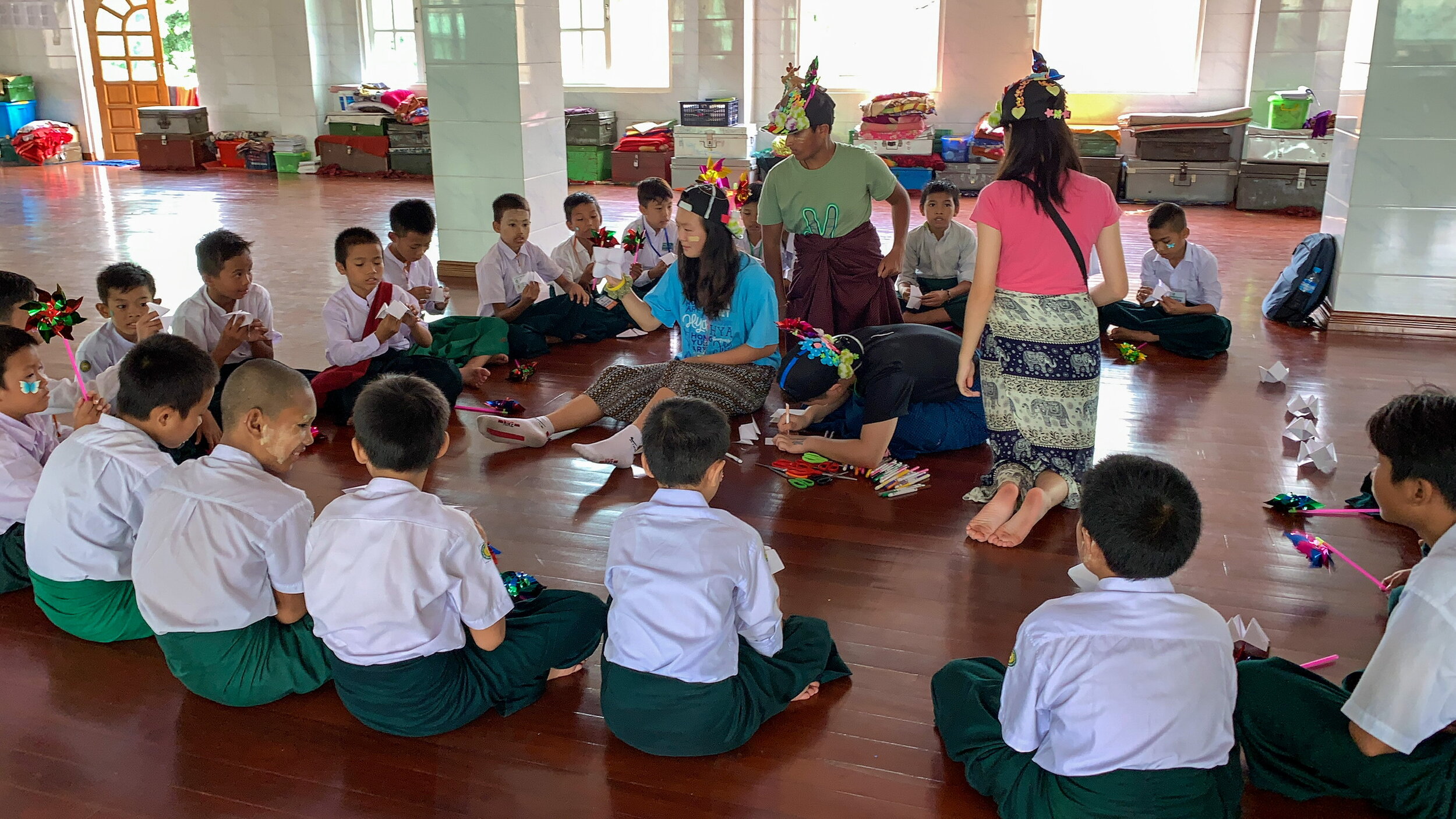
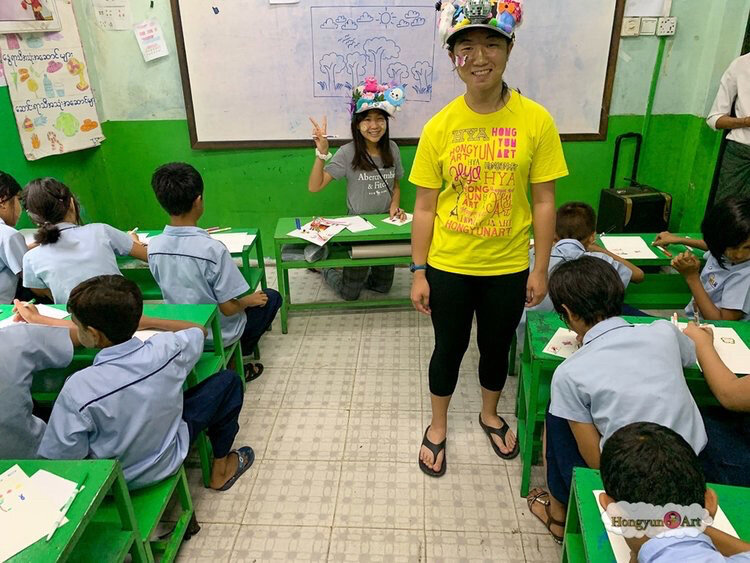
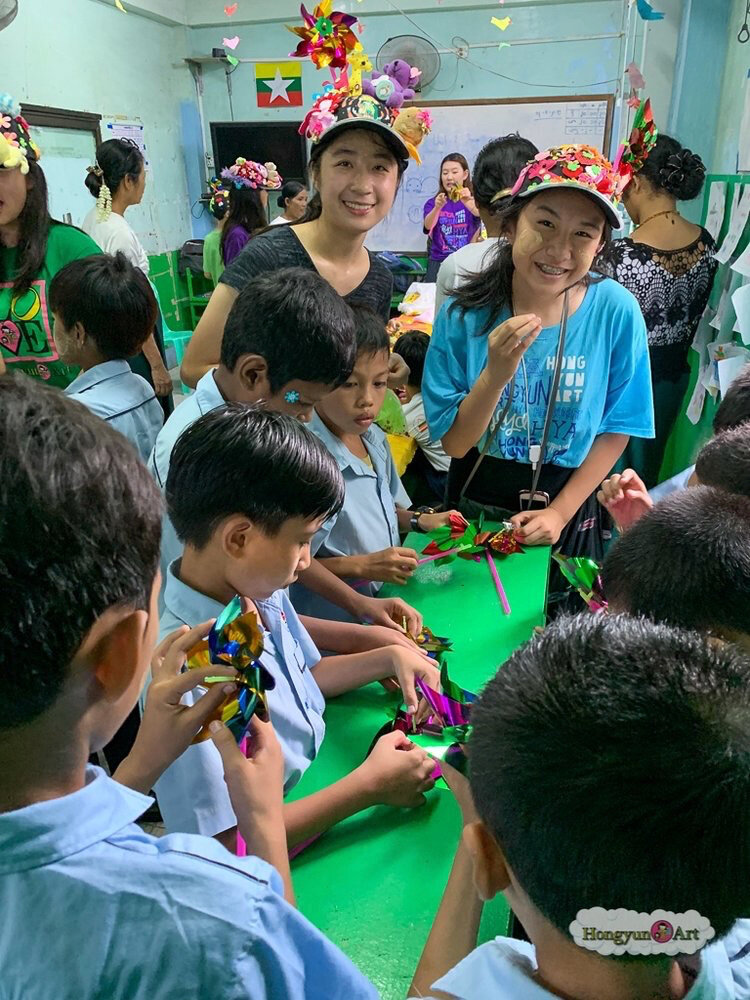
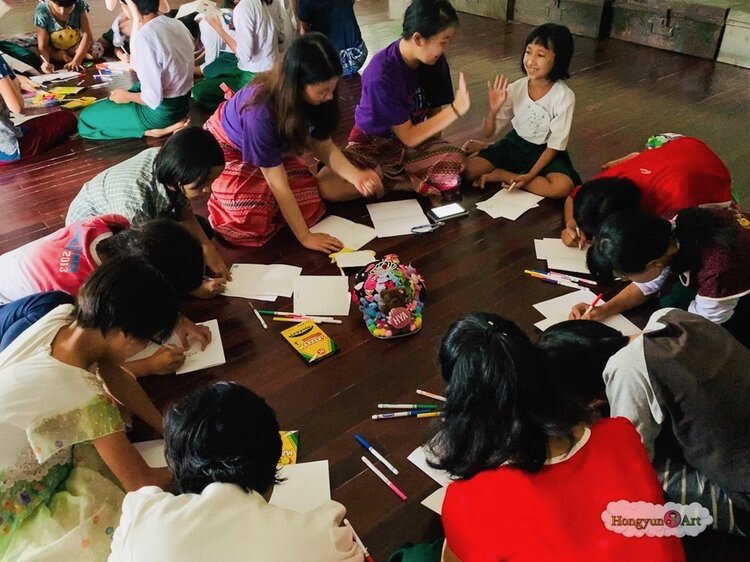
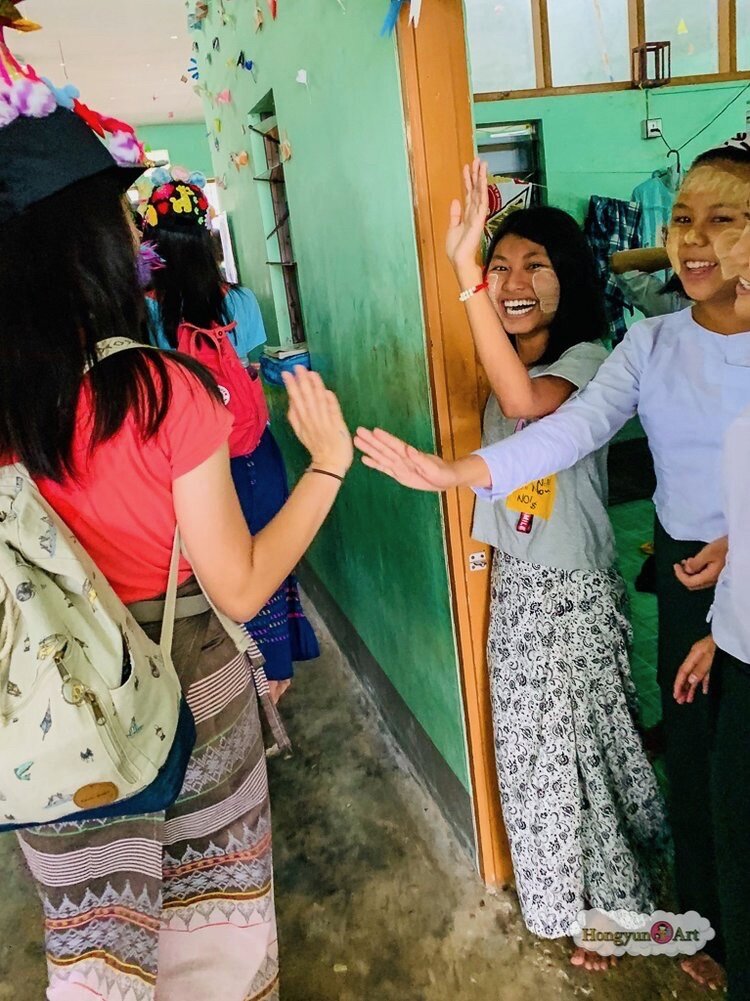
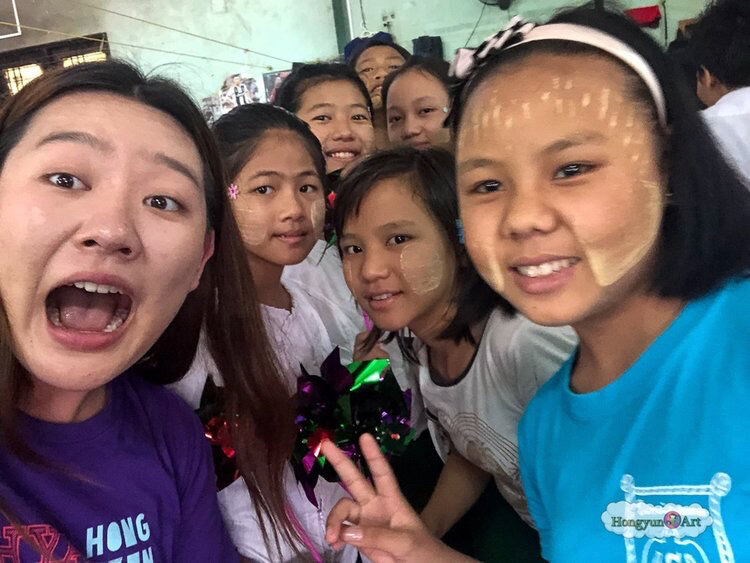
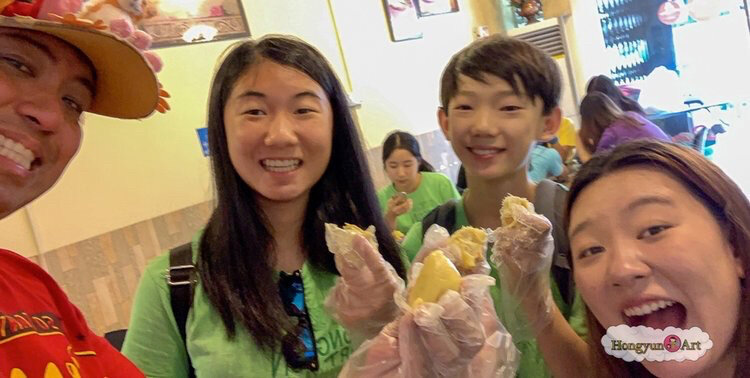
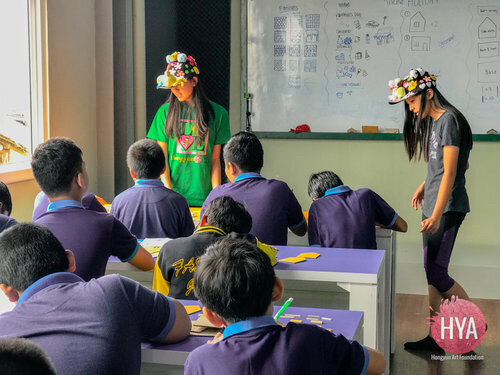
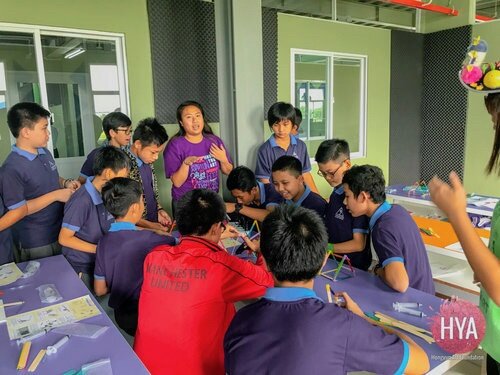
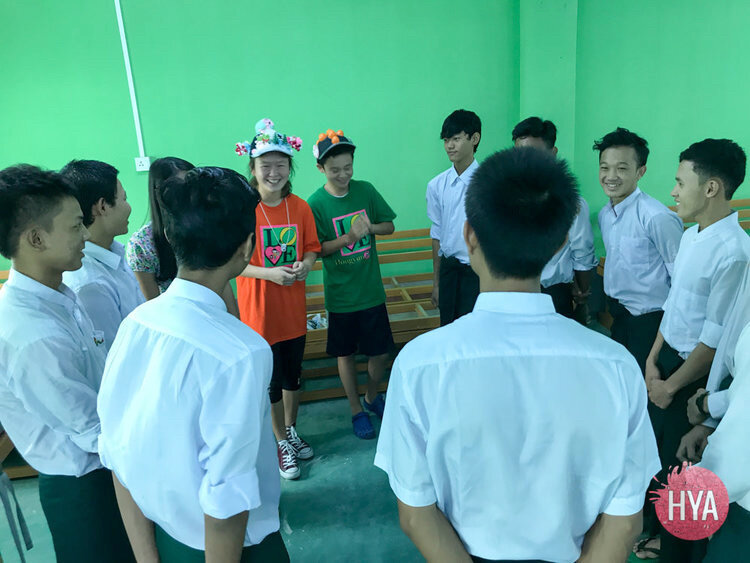
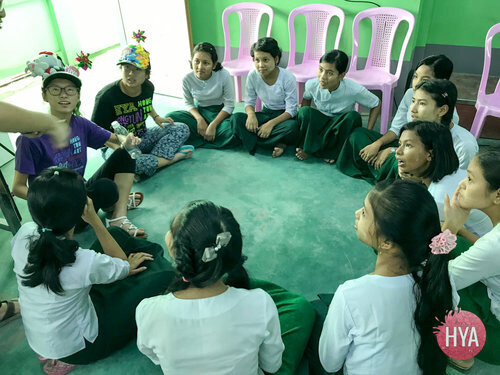
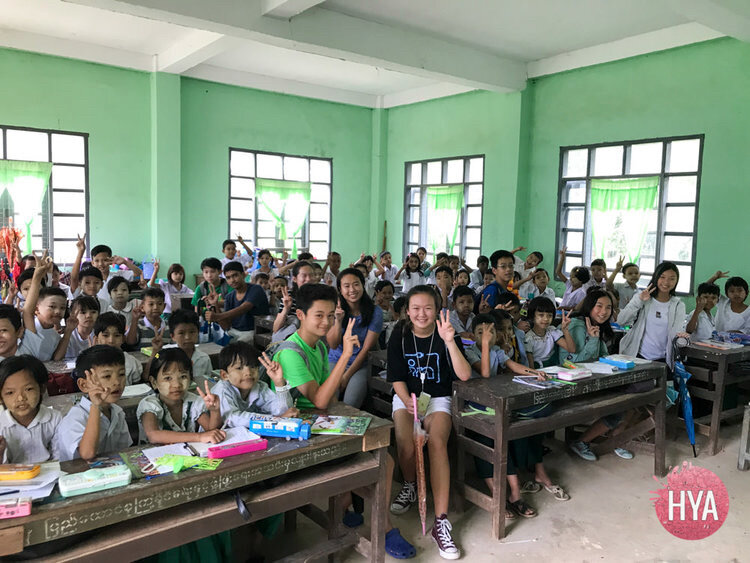
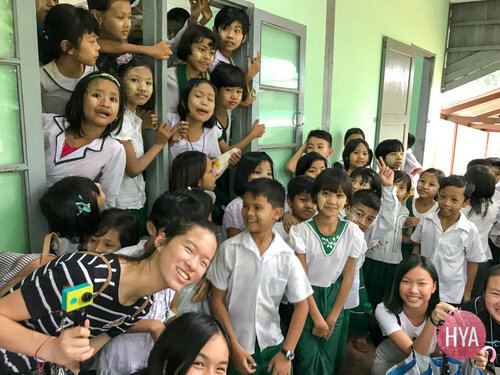
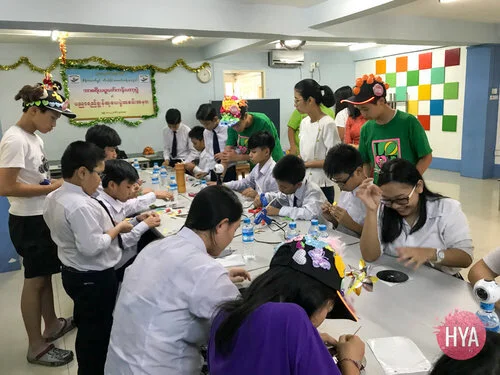
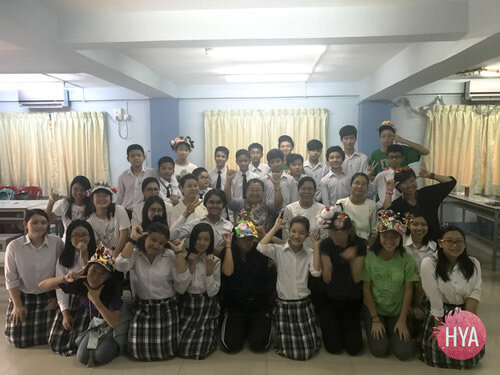
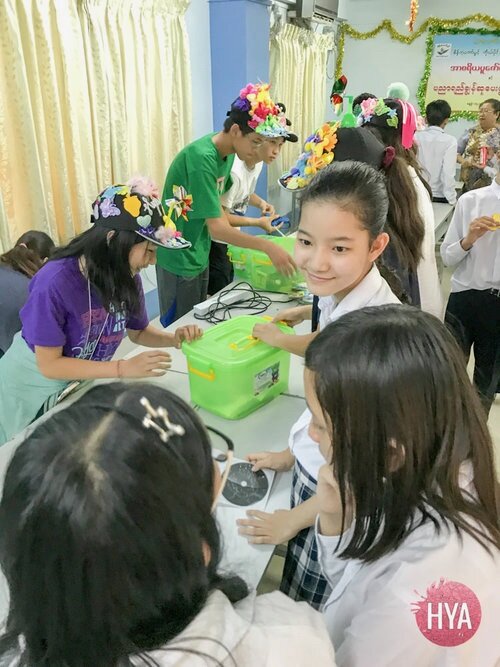
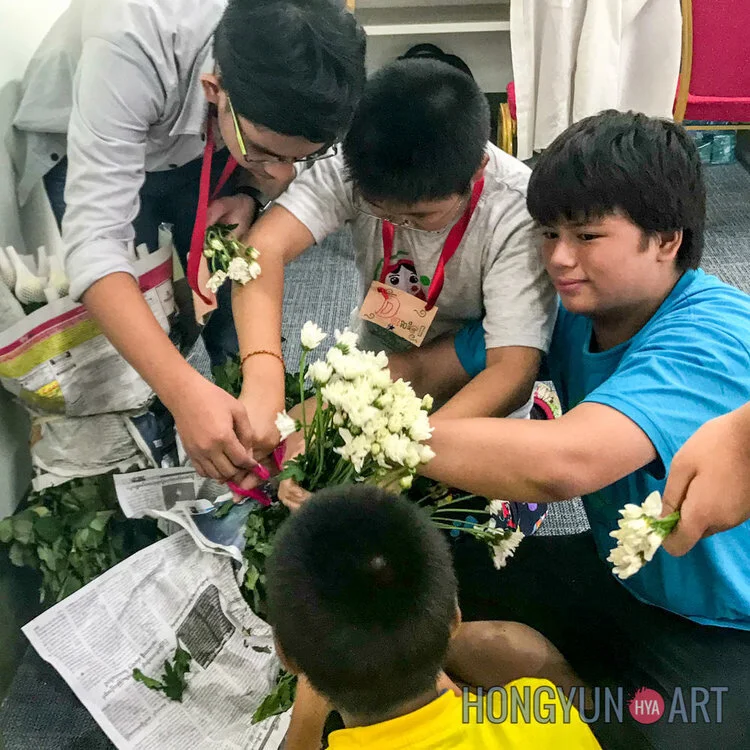
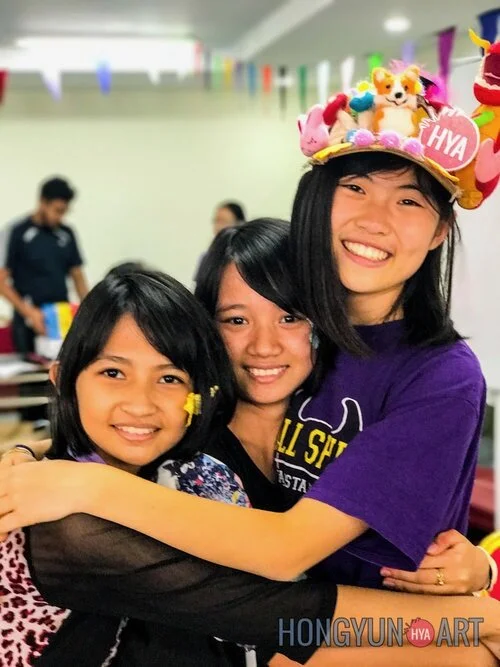
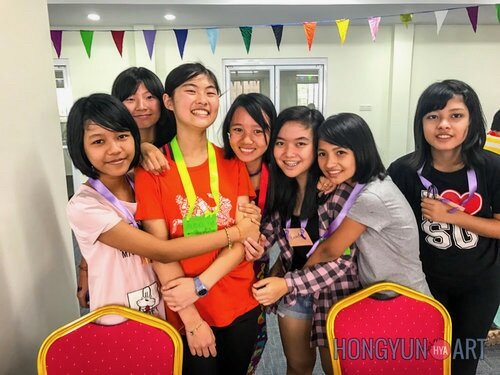
Each GEI student typically connects with four to five local buddies. Students spend time together, teach and assist with classes at the local school, eat lunch together and gradually learn about each other’s lives.
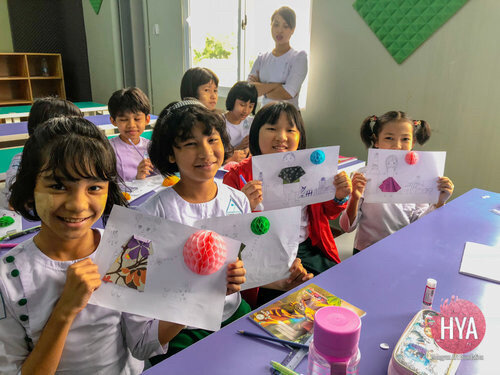
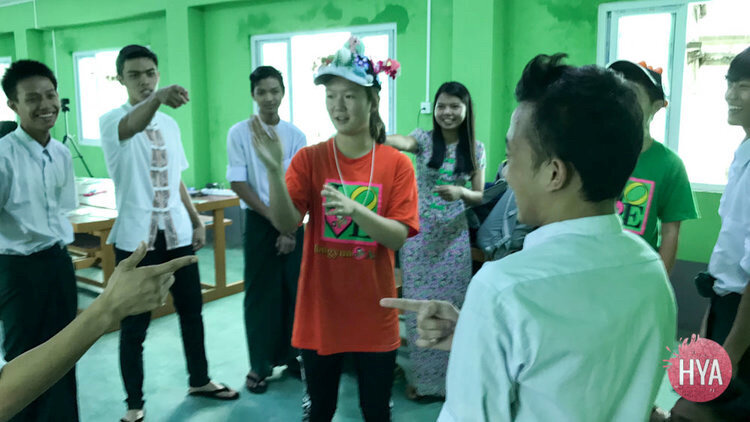
Because students may not share the same language, communication itself becomes part of the education. They use gestures, drawings, demonstrations, technology, humor and creativity to communicate. Instead of simply observing another culture, students have to build a relationship across it.
-
Each GEI student typically connects with four to five local buddies, rather than only one. This is intentional because every child has a different story.
One buddy may help their family with farming. Another may work after school. Another may help care for elephants or younger family members. Some may be outgoing and ambitious; others may be shy or have never imagined opportunities outside their village.
By spending time with several buddies, our students begin to understand that a community cannot be defined by a single story. They teach together, eat together, communicate across language barriers, exchange ideas and gradually learn about each other’s daily lives, families, responsibilities and dreams.
The language barrier is also part of the learning. Our students have to become creative — using gestures, drawings, demonstrations, technology, humor and patience to communicate.
GEI is not about meeting “children from a village.” It is about meeting individual young people — each with a name, a personality, a family, challenges, strengths and dreams of their own.
-
Students write a daily reflection. Reflection matters because experience alone does not automatically produce growth. GEI asks students to experience, reflect, rethink and act.
What did I experience today?
What surprised me?
What did I learn from my buddy?
What assumptions did I have that may have been wrong?
What could I have done differently?
What will I do tomorrow?
-
The second week is intentionally very different from a traditional student tour. Students receive more independence and responsibility.
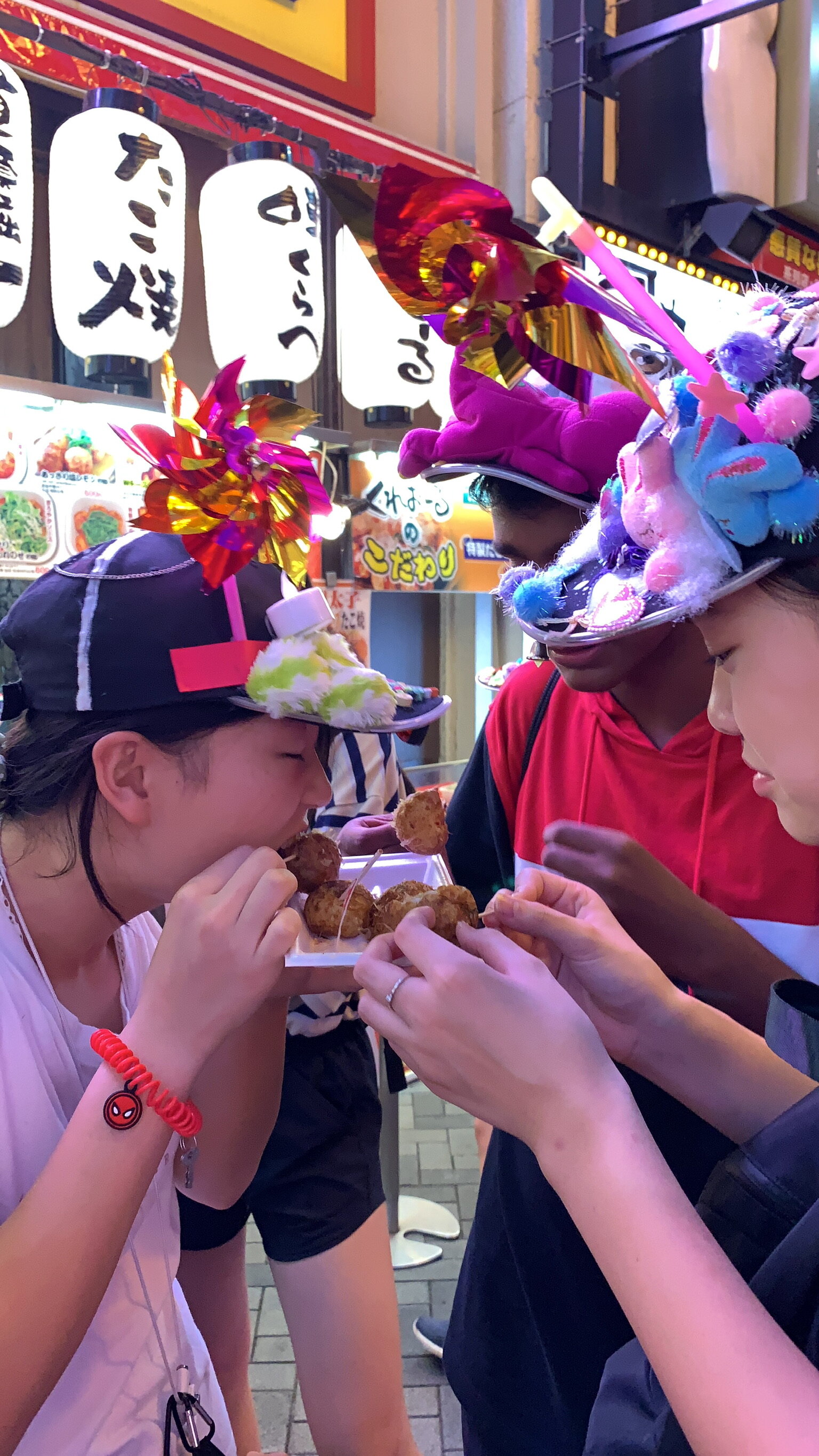
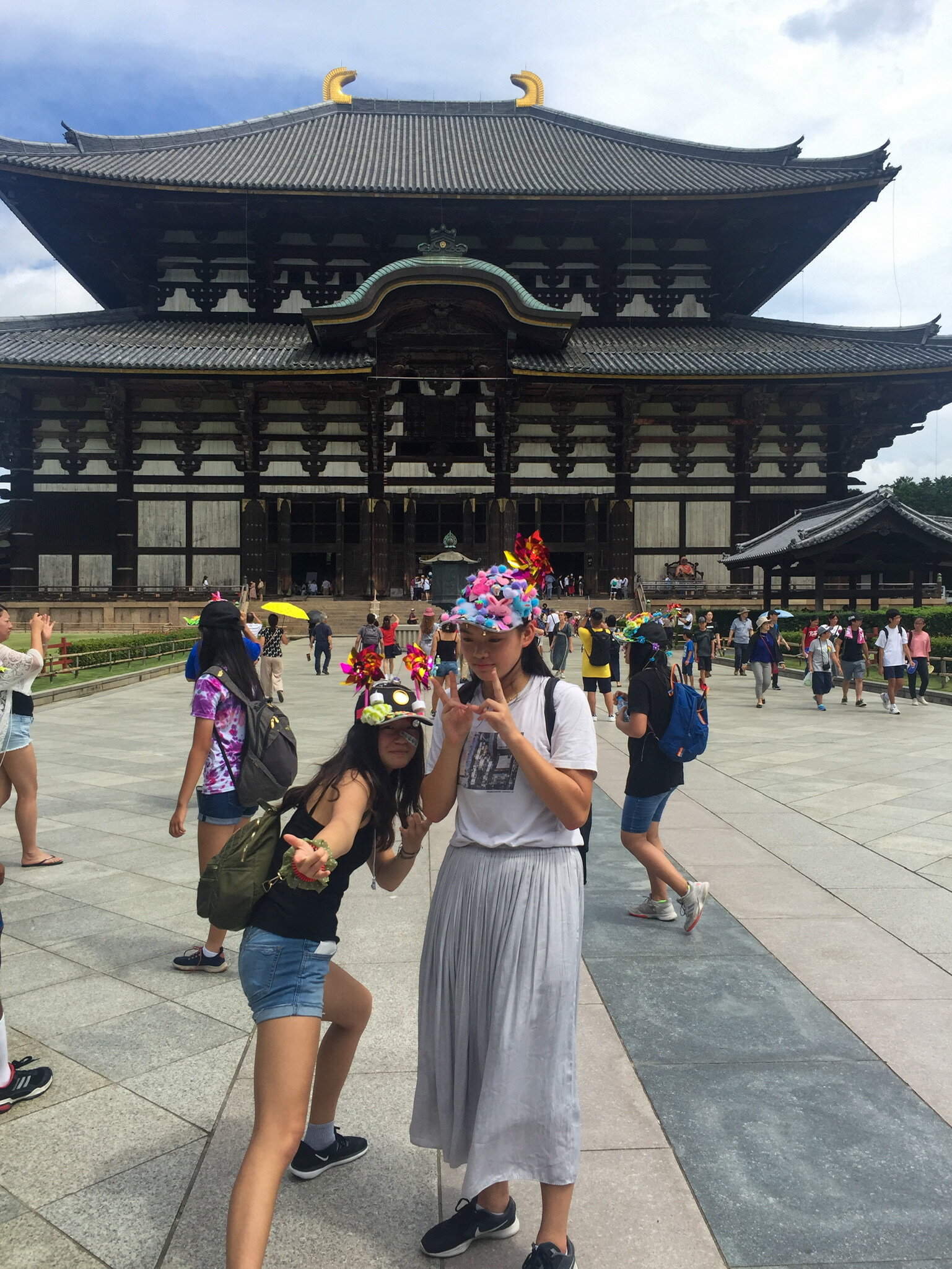
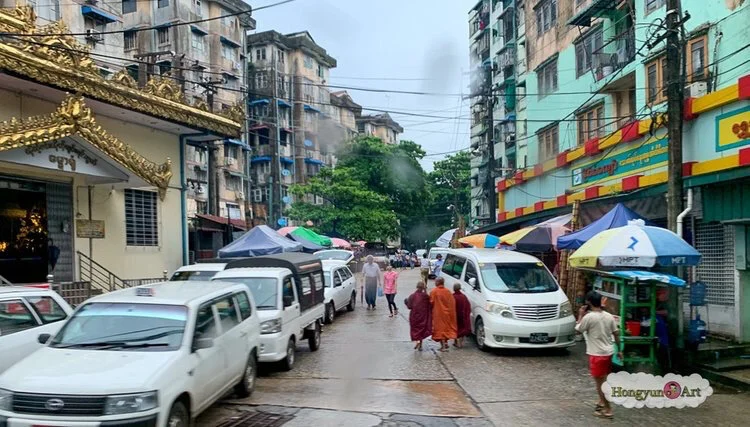
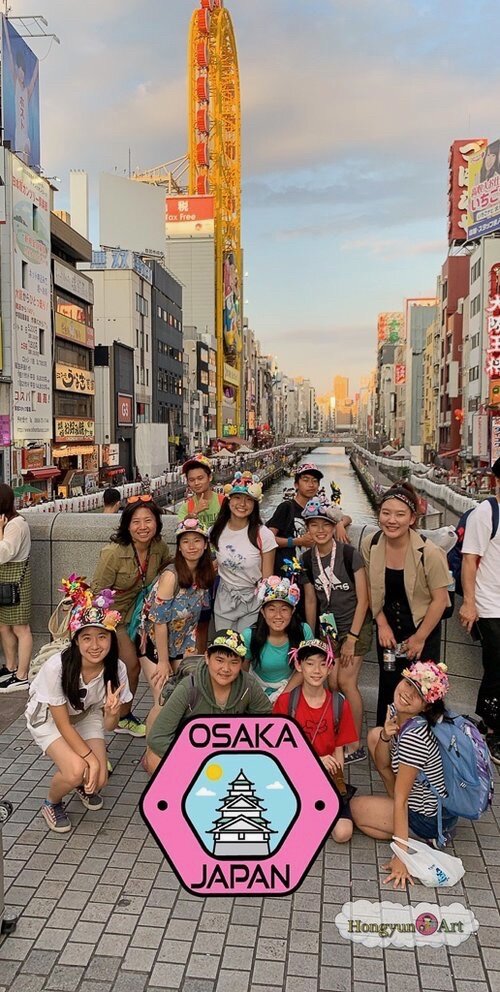
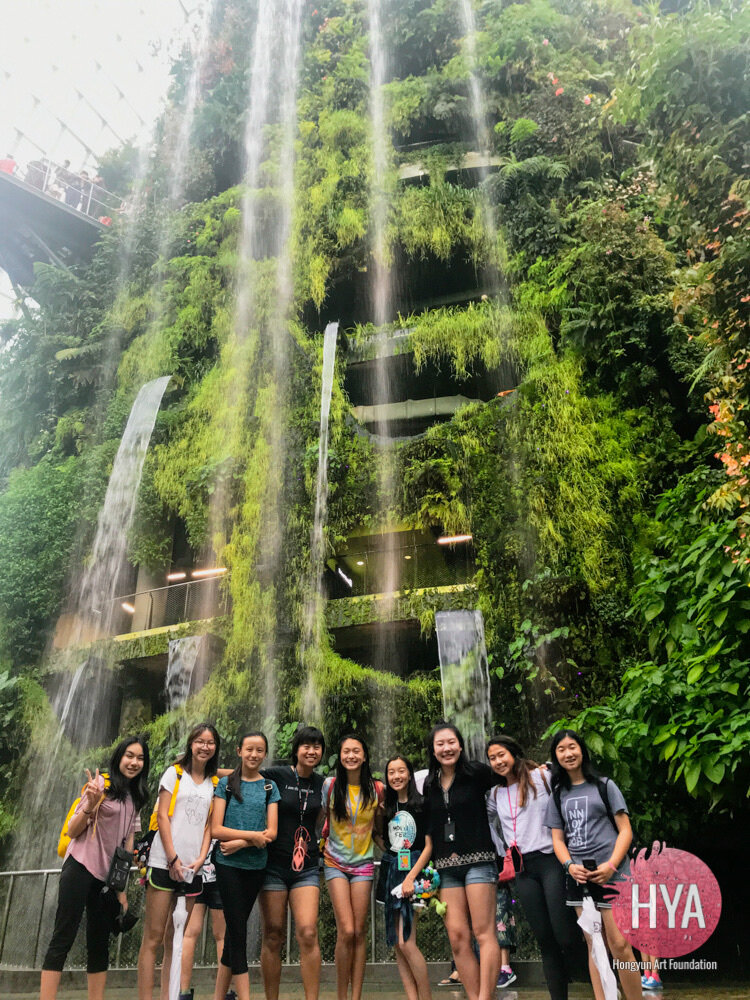
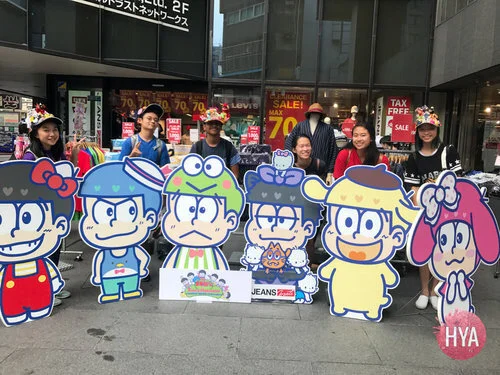
For the second week, the environment changes completely. GEI has taken students to developed destinations such as Japan and Singapore, with Japan becoming an important part of recent programs.
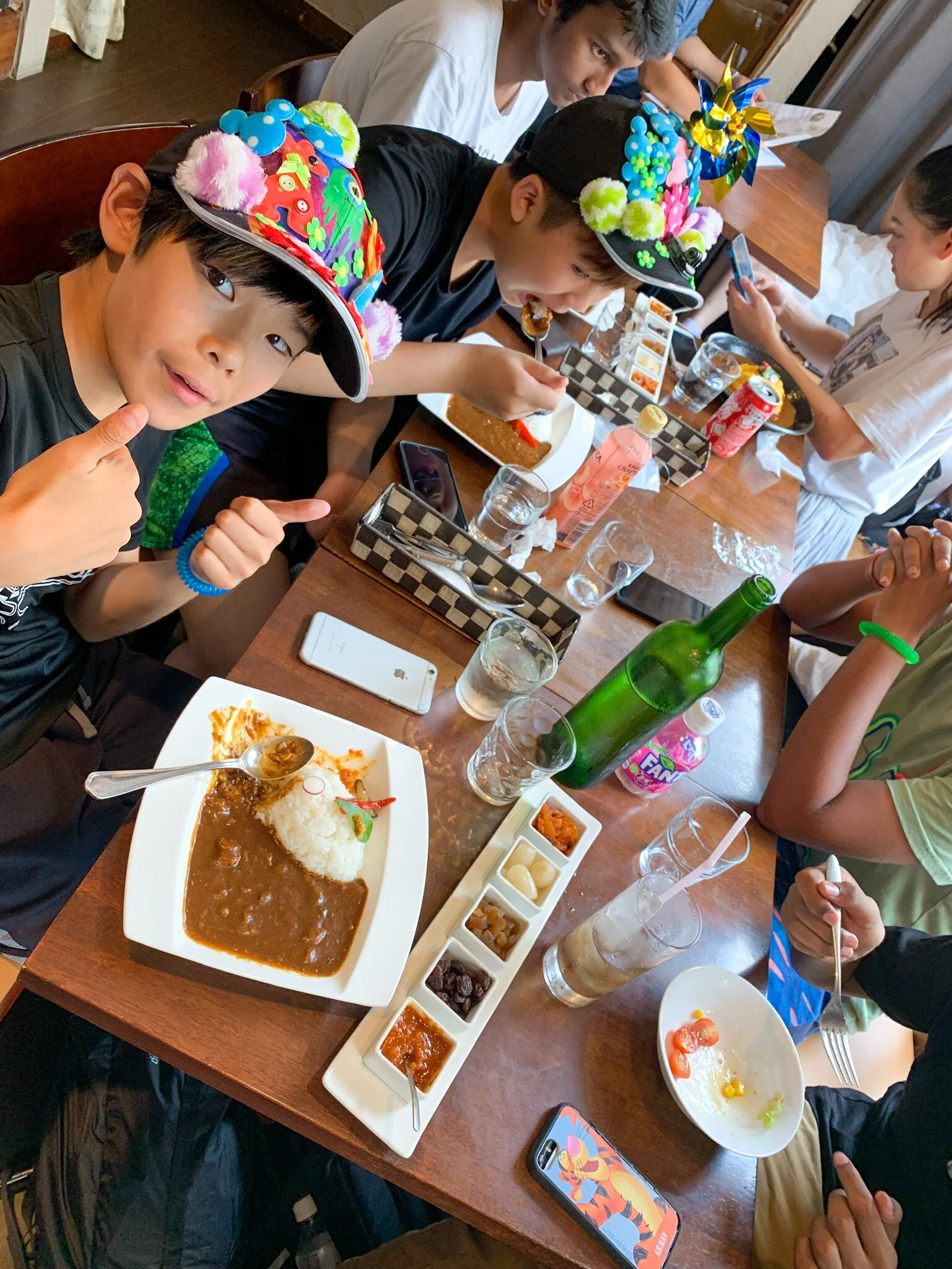
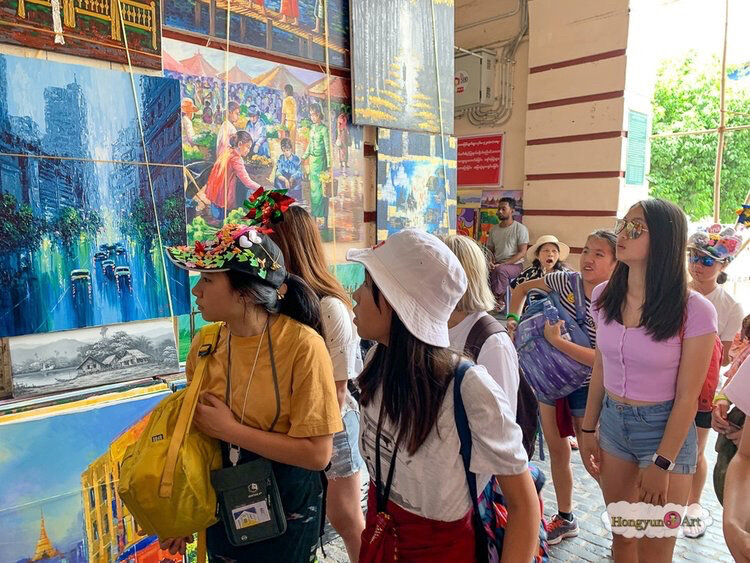
Instead of adults planning every day and students simply following them, students work in small groups and participate in designing their own travel experience. They decide where to go, what to experience, where to eat, how to get there, which trains/buses to take, how to manage time and budget, how to compromise as a group, and what to do when the original plan doesn't work. This is perfect for supporting one of the main pillars of the Congressional Award.
Hongyun and Tommy remain with the students and supervise the process. But they intentionally don't solve every small problem for them. Students have to plan, think, and work together. Occasionally Hongyun and Tommy will override a team’s decision if it’s patently wrong or potentially unsafe.
Now the student becomes the leader. Each student or student team is assigned responsibility for leading part of the trip. Adults remain responsible for overall supervision and safety, but students are expected to think, plan and lead.
Where the group will go and how to get there
Which train or transportation to take
How much time is required
Where the group will eat and meet
What activities fit the schedule
How to stay within requirements and budget
What to do when something does not go according to plan
-
Because they develop different parts of the student.
Week One develops empathy, service, gratitude, communication and perspective. Week Two develops independence, planning, leadership, decision-making and problem-solving.
The first week asks: “Can you understand someone whose life is completely different from yours?” The second asks: “Can you take responsibility for yourself and others?”
Why join GEI?
-
Perspective followed by responsibility.
Many Bay Area students grow up surrounded by extraordinary opportunities: excellent schools, technology, transportation, extracurricular programs, comfortable homes and parents investing tremendous time and resources in their future. When that environment is all a child has ever known, it simply feels normal.
GEI gives students another reference point. They meet young people their own age who may cook for themselves, help support their families, work after school, farm, care for animals or take on responsibilities at an age when many American students are still heavily dependent on their parents.
We do not tell students, “Look how lucky you are.” We allow them to discover it themselves.
-
No program can guarantee a teenager's emotional response. But gratitude has repeatedly been one of the most meaningful outcomes we have observed.
After returning to the Bay Area, students have written deeply personal letters to their parents describing what they experienced and expressing appreciation for opportunities and support they previously took for granted.
Gratitude is far more powerful when a young person discovers it than when a parent demands it.
-
That can be one reason to consider GEI. Students have a buddy, participate in teaching, work with a group, reflect and eventually lead.
The pace and activities of every GEI trip is manageable but asks every participant to step out of their comfort zone every day. We want our students to be comfortable with and embrace uncertainty as a fun challenge every day.
Over the years, we have seen students return home more willing to speak, participate, make decisions and accept responsibility. Confidence grows from discovering that you can handle something difficult.
-
The GEI annual cycle is listed below:
October: GEI info session and application season. Prospective team members and parents must join the info session together.and apply by the deadline to be considered.
November: Team selection and notification. Donations and travel bookings are completed.
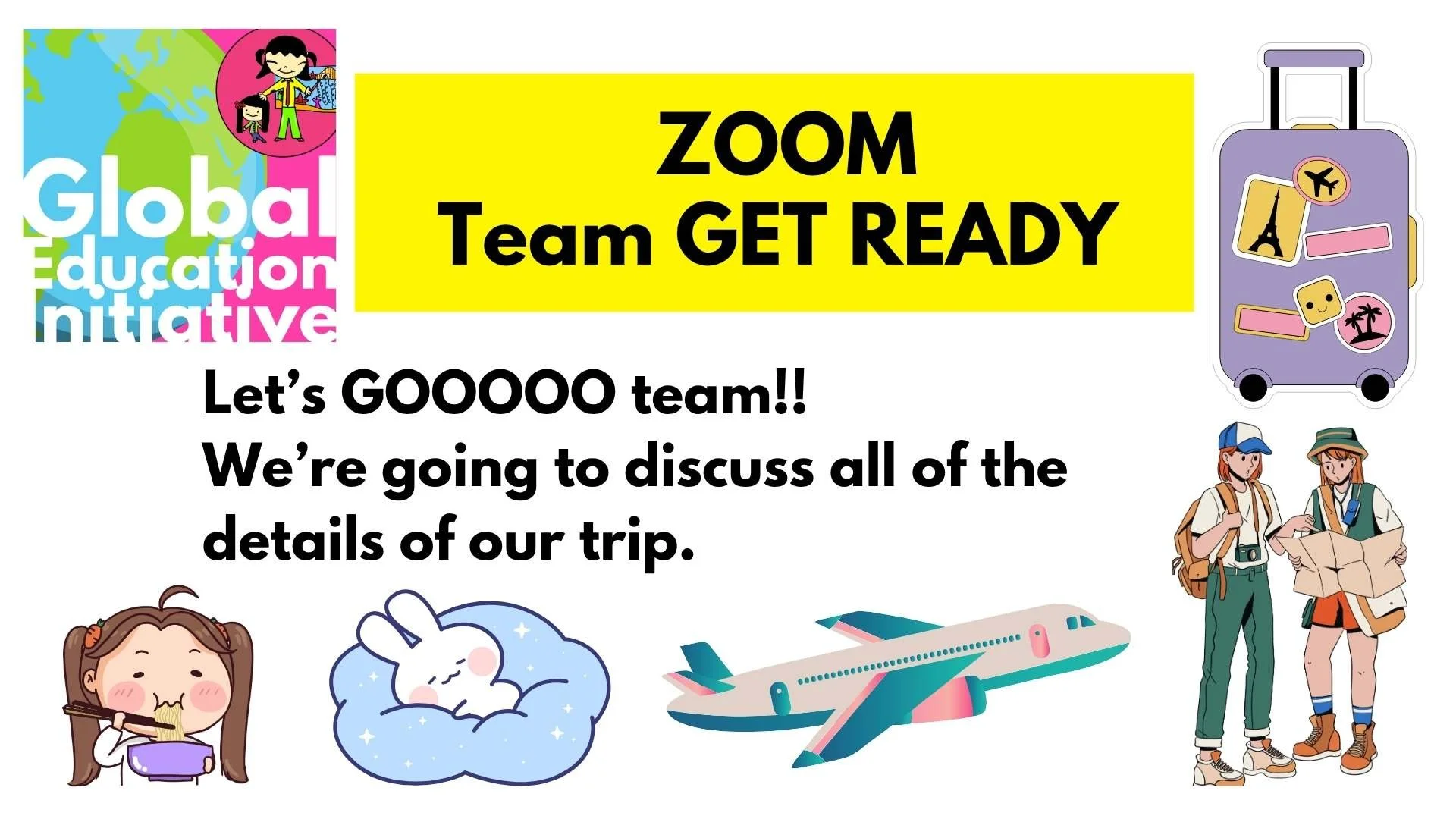
February: Team planning sessions start - team members start working on curriculum and prep.
April: In person team meetings, planning, and team building sessions.
June: GEI Trip
-
Prospective team members and parents must attend the GEI Zoom Info Session in October in order to apply.
Once the session is completed, attendees can return to this site to apply.
-
Demand for GEI is quite high every year so not every student is accepted. We make an effort to prioritize team mix (ensure we have a mix of age groups), prior experience with GEI (many applicants repeat GEI annually), and take into account a host of factors.
If you’re not selected for GEI one year, we encourage you to apply again the following year! It’s not a reflection on you - it’s just us ensuring the trip is manageable within our abilities and limits.
Not Just Volunteering
-
No. That description misses half of the program.
Our students bring resources, English exposure, creativity, technology, ideas and a connection to a larger world. Local students bring something equally valuable: resilience, responsibility, practical skills, family, community and resourcefulness.
GEI is designed as an exchange, not a rescue mission. Both groups have something valuable to offer.
-
That is our goal, and some of our most meaningful stories have developed over many years.
In one example, students observed children at an orphanage sharing extremely limited hand-washing supplies. GEI students returned home asking, “What can we actually do?” That question developed into an initiative involving unused hotel soap and additional hygiene resources.
The important lesson was the process: observe a problem → understand it → develop an idea → organize resources → take action.
-
In one elephant-community relationship, exposure to online video and livestreaming helped a local young person recognize that everyday life with elephants could reach an international audience. This eventually developed into an additional source of income for the family and contributed to significantly improved living conditions.
GEI did not arrive with a predetermined solution. Connection created exposure; exposure created an idea; the local family turned that idea into opportunity.
-
Long-term relationships allow us to observe changes over time.
Years ago, when children in some elephant communities were asked what they wanted to become, many could imagine only the occupations immediately around them, such as farming or working with elephants.
Over the years, we began hearing broader ambitions: government work, accounting, sales, hospitality and other professions.
GEI cannot claim responsibility for every change in these communities. But it reinforces something we strongly believe: a child's ambitions are often limited by what they know exists. Education expands that horizon.
-
A normal travel program primarily asks: “Where are we going?” GEI asks: “What will you learn, contribute and become?”
On a traditional tour, adults typically organize transportation, meals, attractions and schedules. Students follow.
In GEI, students teach, communicate across language barriers, build relationships, reflect, solve problems and eventually lead.
We do not want students to be passengers through another country. We want them to become participants in another world.
-
On a family vacation, parents generally remain responsible for almost everything. GEI changes that relationship.
The student gradually becomes responsible for communicating, planning, navigating, cooperating, making decisions and leading. Parents are not standing beside them solving every problem. That controlled independence is part of the education.
Service, Leadership, & The Congressional Award
-
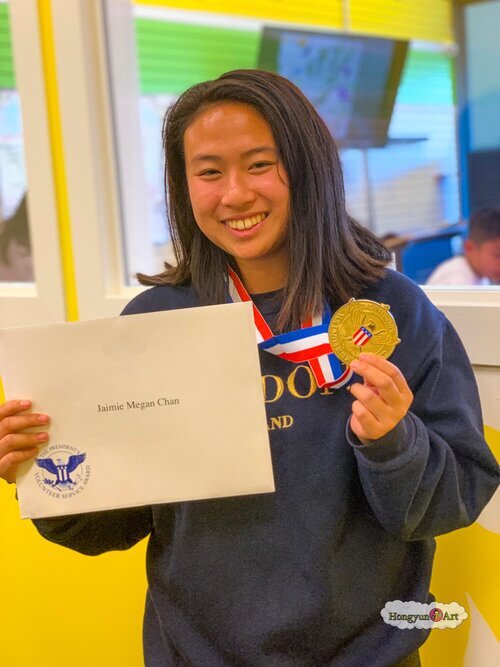
GEI includes genuine service activities that may contribute toward students' broader service goals.
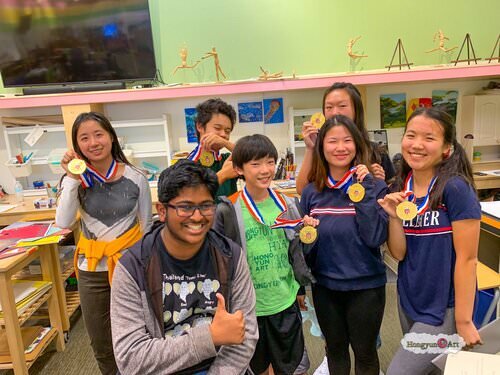
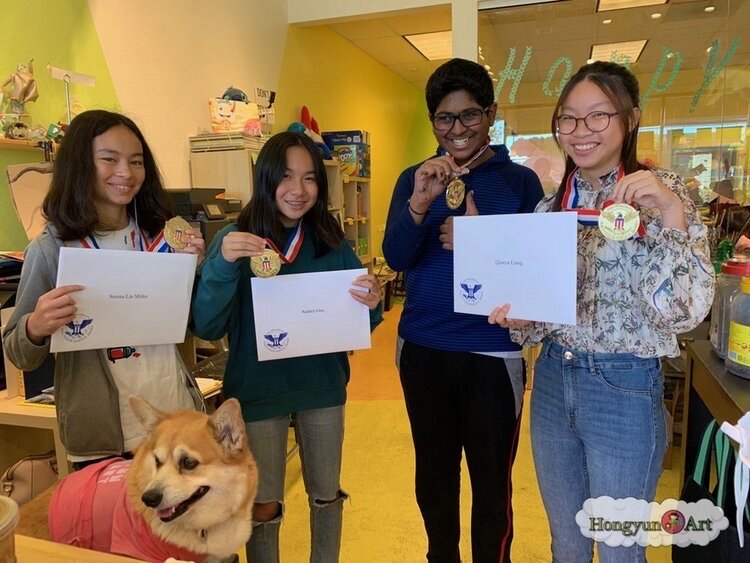
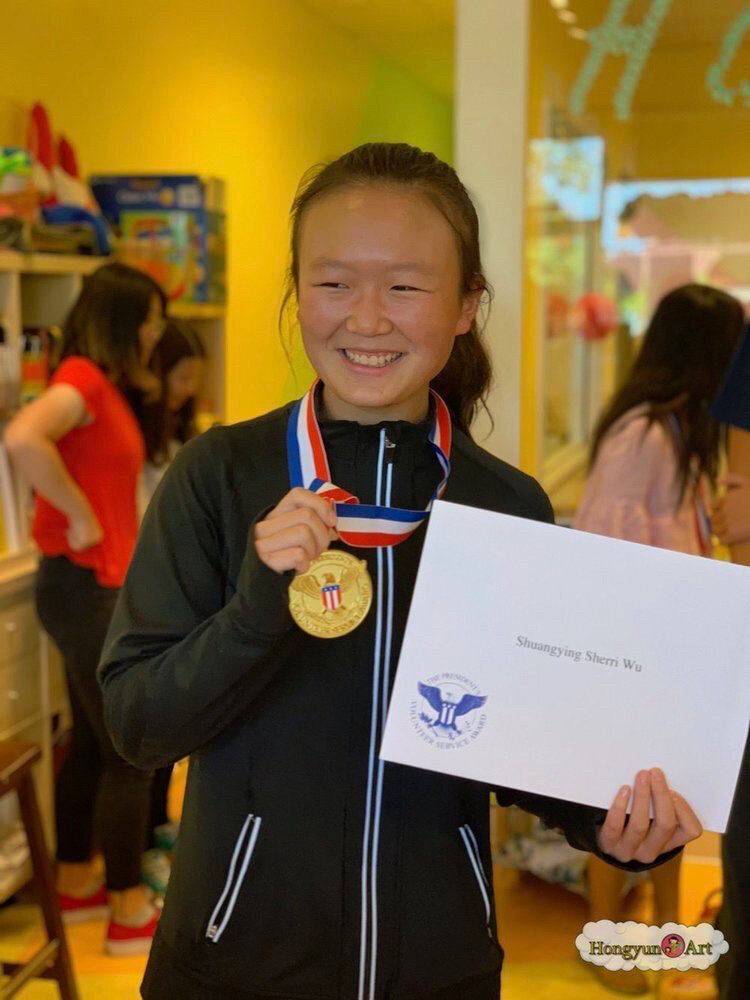
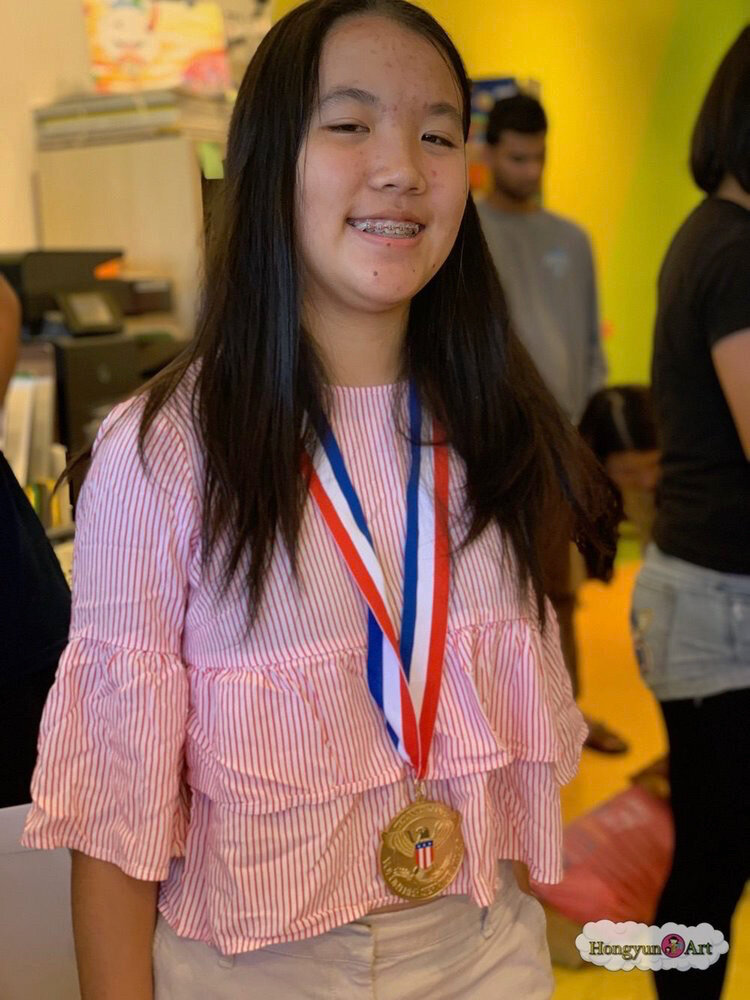
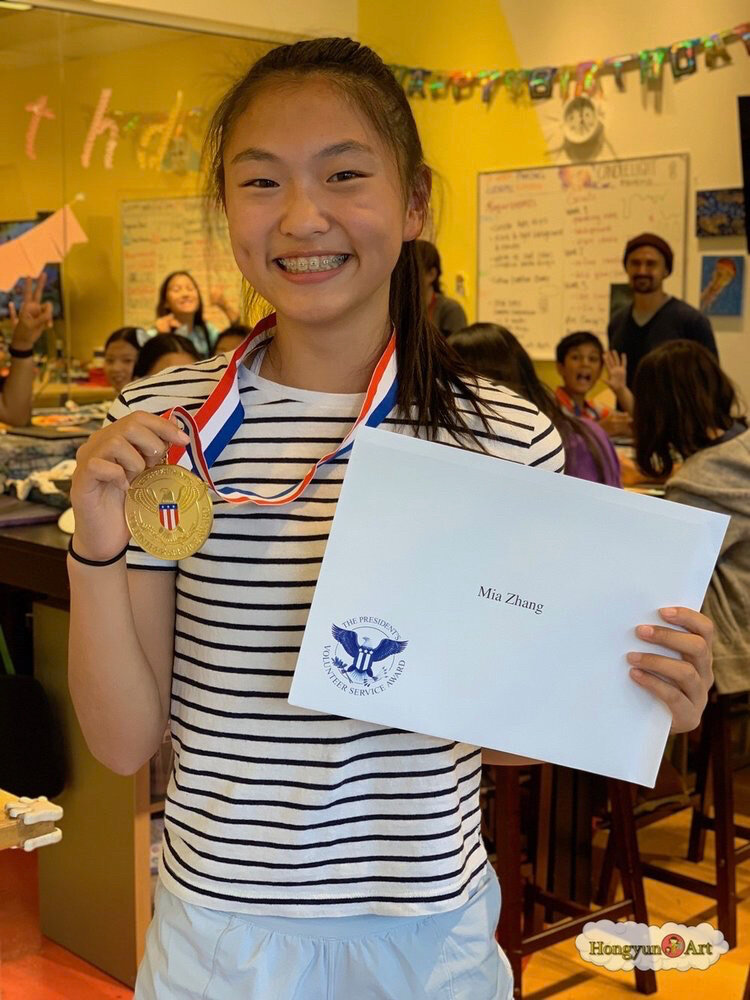
Hongyun Art Foundation also structures parts of the experience to complement areas of development associated with The Congressional Award, including voluntary public service, personal development and expedition/exploration-related experiences where applicable.
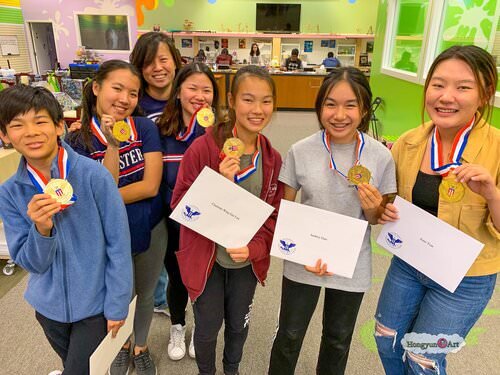
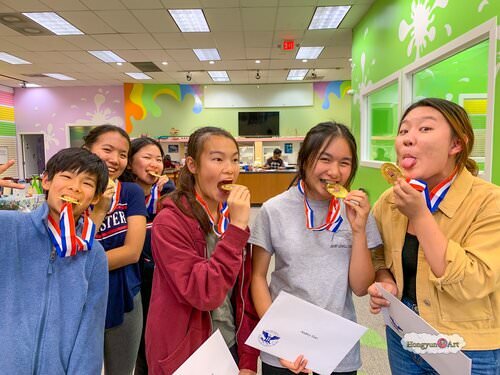
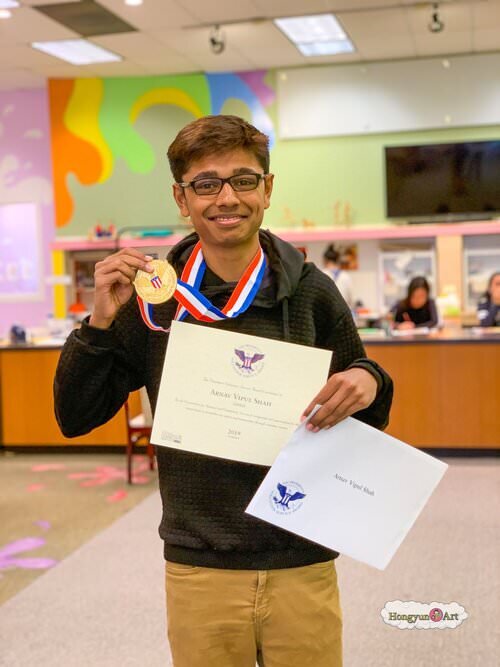
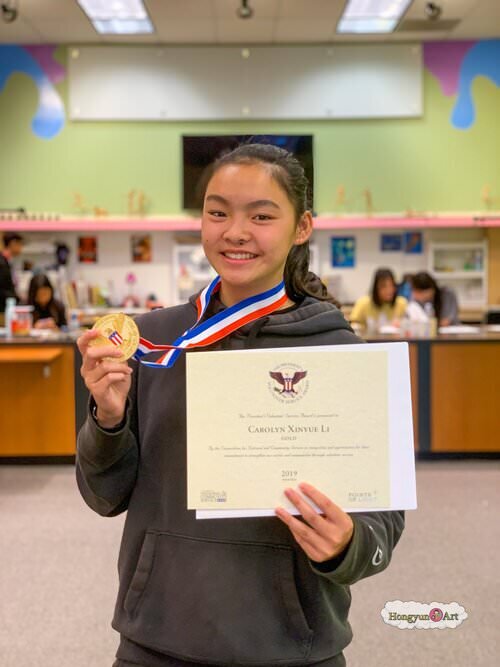
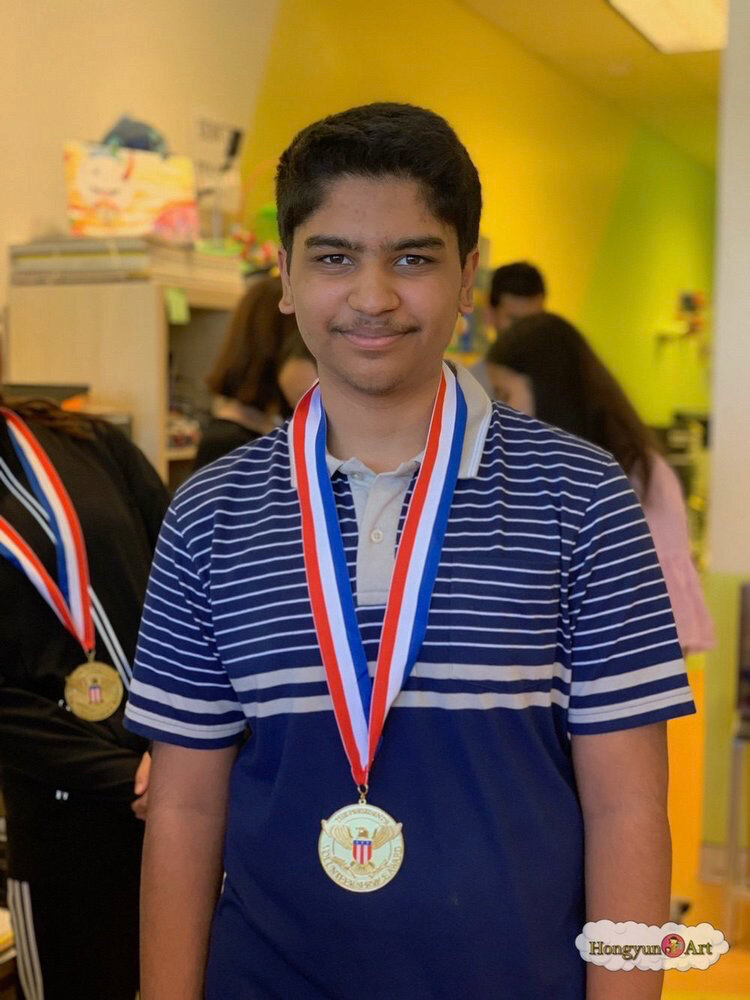
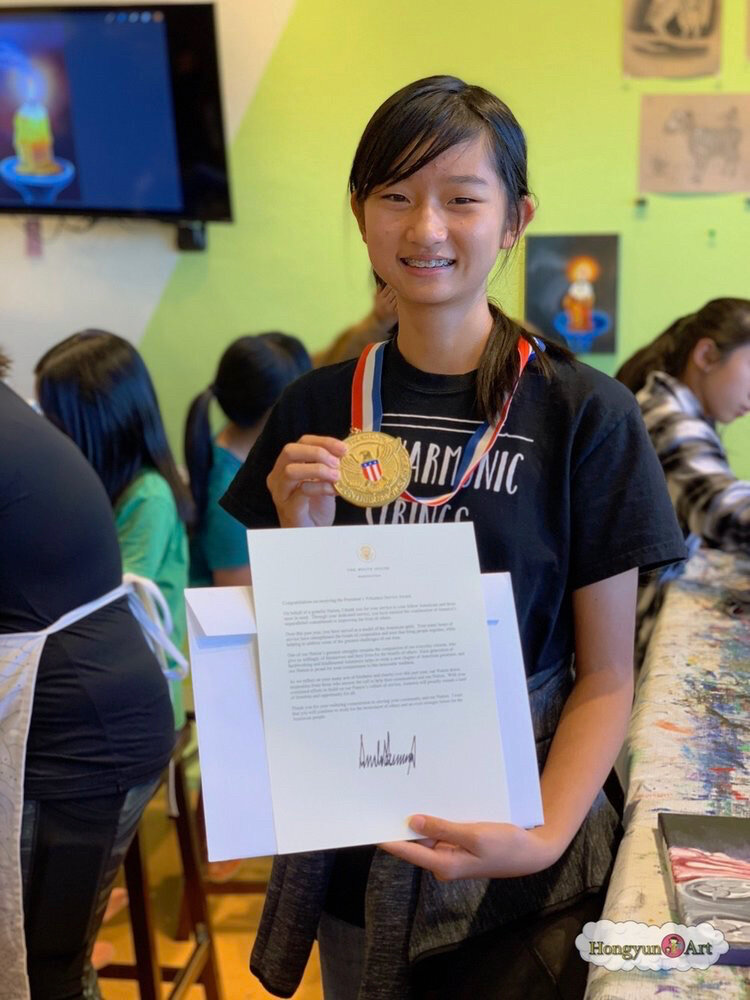
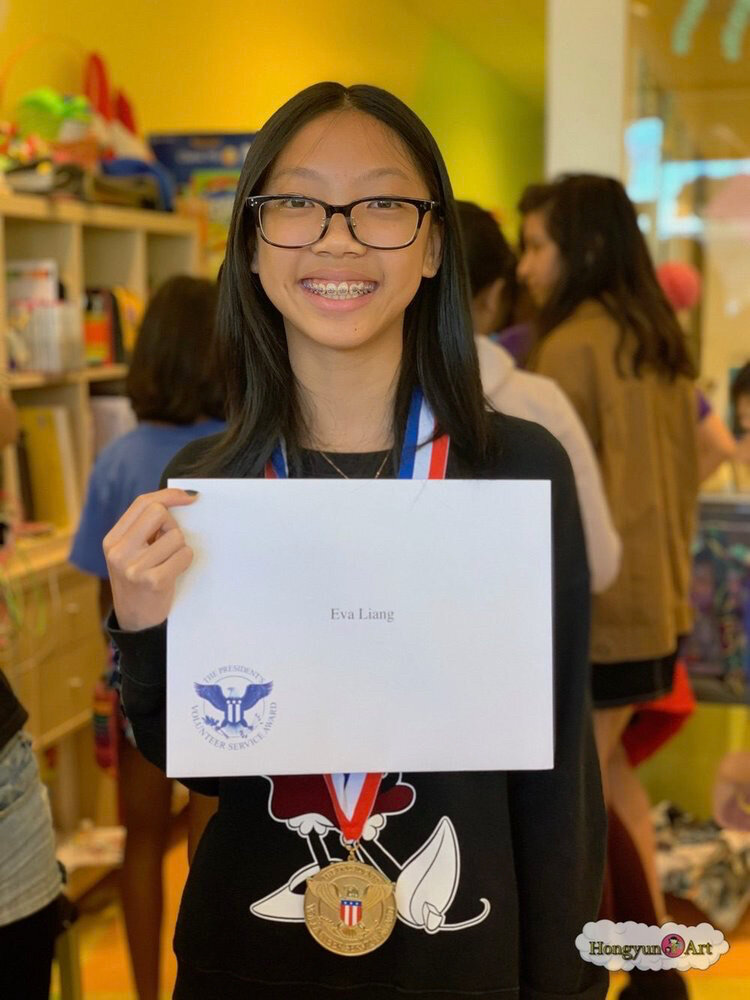
Students and families remain responsible for following current Congressional Award requirements and properly documenting qualifying activities. The medal is not the purpose of GEI; it is recognition of a much larger process of service and personal growth.
-
The Daily Reflection is one of the most important parts of GEI.
Every student is required to write a reflection each day about what they experienced and learned. We have prompts that require deep thinking and reflecting on what they saw, experienced, and participated in. They may consider what they did, what they learned, what surprised them, what was difficult, how they solved a problem, who they met, cultural differences they noticed, what they learned about themselves, and whether anything changed the way they think.
After dinner and before bed, students will gather together with Hongyun and Tommy to discuss their day and write their reflections together.
Students' reflections are also shared with their parents.
We don't want students simply to see another part of the world. We want them to engage with it and process what they saw.
-
Because memories fade. During GEI, students may experience moments that challenge their assumptions, surprise them, make them uncomfortable, make them grateful, or cause them to see their own lives differently. Those thoughts are most powerful while they are happening. Writing every day captures them.
Over the years, we discovered another important long-term benefit: GEI reflections can become valuable source material for future college essays.
When students later begin college applications, many struggle with the question: “What meaningful experience actually changed me?” GEI students already have their own words written at the time the experience happened—what happened, what surprised them, what challenged them, what they learned, and how they changed. It’s right there for them to pull from which many have told us is such a godsend.
Previous GEI students have found these reflections very helpful when developing their college essays. We don't want students to participate in GEI simply to create material for an application. The experience and personal growth come first. But when an experience genuinely changes a student, having those thoughts documented in the student's own voice can become extremely valuable years later.
-
GEI can give students something more important than another activity to list: a genuine experience worth talking about.
Some past GEI participants have later attended highly selective universities, including Harvard, Yale, MIT, and Stanford. Some alumni have told us that their GEI experiences became meaningful material for college essays and interviews.
GEI does not promise admission to any university. What matters is what the student actually dove into the experience and gave part of themselves to others.
-
This is one of the strongest measures of GEI's value. Some students have returned year after year until leaving for college.
The country may be familiar, but the student is not the same person.
The first year, they may observe. The second year, they understand more. The third year, they may lead. Eventually they may mentor younger GEI students and develop their own service ideas.
The experience grows with them.
Also consider that many college counselors advise students to show continuity and dedication to a handful of projects instead of spreading yourself thin across multiple shallow endeavors. Demonstrating consistency and deep dedication is valued more in top tier college applications.
-
Not souvenirs. Perspective.
We want students to understand that their own community represents only a tiny part of the world. We want them to recognize their opportunities, appreciate the people who support them, become more capable of solving their own problems, speak up, lead, and see a problem and ask: “What can I do about it?”
And eventually we want them to ask an even bigger question: “With everything I have been given, what am I going to do with it?”
That is GEI.
GEI Travel FAQ
-
A GEI international program is generally about two weeks.
Week One — See a Different Side of the World
Students spend time in a developing community, currently including experiences in Thailand. They meet local people, participate in community and cultural experiences, and see ways of living that may be dramatically different from their own. We teach valuable lessons in English conversation, art, and event science! As part of the Congressional Award, students develop their own curriculum and get to use their leadership and social skills to help their buddies in the local communities progress in their language learning!
Week Two — Learn to Navigate a Developed Country
Students travel to a developed country such as Japan or Singapore. During this week, students receive more independence and responsibility. They work in small groups to help design their days, navigate transportation, choose places to visit and eat, manage time and money, and solve real travel problems. Exact destinations and itineraries may change from year to year.
-
GEI is designed for HYA students age 11 - 17. Students may apply if they will be age 11 by the following summer.
From our previous GEI experiences, we have found that younger students can sometimes take an especially powerful lesson from international travel. Students age 11–13 are beginning to develop their own understanding of the world, but many of their assumptions are still forming.
Seeing dramatically different ways of living can cause them to ask: Why do people live differently from me? What do I take for granted? What makes people happy? How would I handle this situation? What kind of person do I want to become?
Students at every age band in GEI have meaningful international experiences and gain new perspectives. For the right student, age 11 can be an excellent time to begin exploring the world and engaging with it but it’s equally valuable for any middle or high school student.
-
No. GEI is an application-based program. We do not automatically accept every student who applies.
International travel requires maturity, cooperation, responsibility, flexibility, and respect for others. We consider whether each applicant is ready to follow safety rules, respect different cultures, work cooperatively, accept guidance, manage personal belongings, try unfamiliar experiences, reflect on what they learn, and handle an age-appropriate level of independence.
Students do not need to be experienced travelers or exceptionally outgoing. But they should be ready to participate, learn, and grow.
-
No. GEI is intentionally designed as a student-only experience.
Learning to function away from parents is part of GEI and Hongyun Art. Students learn to manage their belongings, communicate with others, make decisions, adapt to unfamiliar environments, solve everyday problems without immediately depending on Mom or Dad, and even lead teams through unfamiliar environments. However, students are not traveling alone and will always have an experienced traveler to mentor and be with them.
-
GEI students are personally accompanied by Hongyun Art School co-founders Miss Hongyun and Mr. Tommy.
Hongyun and Tommy don't simply organize the program from home. They personally travel with the students throughout the program and supervise daily activities, transportation, cultural experiences, group activities, and travel. As experienced travelers and the many years leading GEI trips, they have developed the right process and safety requirements to ensure our team members are safe, healthy, and fully engaged in the program.
As students become more independent, Hongyun and Tommy continue supervising while intentionally giving them appropriate room to think, make decisions, and solve problems themselves.
-
We limit the group to 8 students for every adult.
Depending on the number of students selected for that year's program, additional college-age GEI alumni may also travel with the group to provide additional support and mentorship. Keeping the ratio small allows us to maintain close supervision while still giving students enough room to develop independence.
-
Some of our former GEI students later return to travel with the program as college-age alumni mentors.
Many Hongyun Art alumni have gone on to highly selective universities, including Ivy League schools and other leading colleges. This creates a valuable cycle: one generation of GEI students helps the next generation.
The Hongyun Art community does not simply stop when you graduate and go to college. Hongyun and Tommy maintain close ties to students as they progress through college and into adulthood. Our alumni community is large and filled with all kinds of talented people making an impact on the world.
Younger students may spend two weeks eating, traveling, talking, navigating, and solving problems alongside older students who were once GEI participants themselves. These are very valuable times to connect with someone who was once like them and now in a top tier college.
-
Younger students often ask college students questions they may never ask an adult: What is college actually like? How did you choose your university? What was high school like for you? What would you do differently if you were my age again? How did you prepare for college? How did you deal with difficult classes or pressure? How did GEI affect you?
These aren't scheduled lectures. They are conversations that happen naturally because students are spending real time together. Because the mentors were once GEI students themselves, they understand what the younger students are experiencing and the sort of answers they are looking for.
-
Safety always comes first
Students receive clear expectations regarding staying with their group, buddy systems, meeting locations and times, transportation, communication, and important belongings, appropriate behavior, emergency procedures, and respecting local laws and cultures.
Mr. Tommy always holds student travel documents including passports so they are never lost. Students only use their passport at the exact moment they are needed and then these are given back to be held by Mr. Tommy.
Activities and destinations are selected with student safety in mind. Plans may be changed or canceled if conditions are not appropriate.
During the first week, our teams always move together as a whole group. Regardless, every student must have their phone with them and use a group location sharing app to ensure we always know where everyone is at all times.
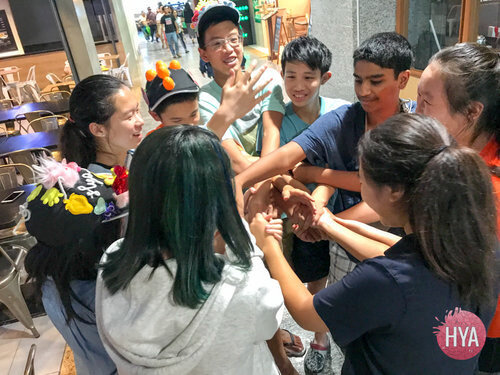
For the second week, students have more autonomy but must stay in small buddy groups of 3-5 students. We use use our 30-min group photo checkin process to ensure the groups stay together at all times. We will visit an area and allow small groups to explore together while having blanket rules where they cannot use any form of transportation so they stay in the vicinity with us.
We always have medical facilities bookmarked and basic first aid/medication with us at all times and will use point to point transfers when necessary to ensure students get medical care quickly if the need arises.
Our approach: Give students independence—but build clear safety boundaries around that independence.
-
Parents will see a lot and are along for the ride in a manner of speaking.
Throughout the trip, Ms. Hongyun and Mrr. Tommy share photos and videos in the private parent group chat every day. Many updates are shared while activities are actually happening.
Parents can expect frequent photos and videos showing student activities, cultural experiences, community activities, student projects, meals, transportation, group activities, interactions with local people, and everyday travel moments.
Parents don't have to wait until the end of the trip to discover what their child has been doing. You can follow much of the experience as it happens, while students still have enough space to experience the trip independently.
-
Yes. Students will have opportunities to communicate with their families.
However, parents should not expect constant calls or messages throughout the day. Students will be participating in many activities, traveling, interacting with local students, working with their group, or solving problems. Our program is pretty packed from morning noon and night!
We want students to have enough connection to feel supported—and enough independence to grow.
-
No. Independence does not mean lack of supervision.
Students work in small groups and receive age-appropriate freedom to make decisions, navigate, plan activities, and solve problems. Hongyun and Tommy establish clear boundaries and safety expectations and supervise the students throughout the process.
Controlled independence: Adults create the safe boundaries. Students make decisions inside those boundaries.
-
Because following an adult holding an itinerary is easy. Planning your own day is different.
Students have to communicate, make decisions, compromise, read maps, understand transportation, manage time and money, ask for help, adapt when something changes, recover from mistakes, and solve unexpected problems. It is why this is a component of the Congressional Award – students can use their planning activities , itineraries, and day diaries from GEI to apply for the award. The Hongyun Art App has all of this built in so students stay organized and have their memories safe.
By the end of GEI, we want students to develop a powerful belief: “I can figure things out.”
-
The GEI team will evaluate the situation and arrange appropriate medical attention when necessary. Parents will be contacted when the situation requires their involvement. Hongyun and Tommy have experience dealing with minor injuries and illnesses with GEI students on trips – we have common medications, local medical centers saved, and plans on what to do in case a need arises.
Before departure, families must provide complete emergency contacts, allergies, medications, relevant medical information, and insurance information.
-
Parents must provide complete medication information on the application form. Medication should be properly labeled and packed according to the travel instructions provided before departure. Team members must have their doctor’s contact information as well as prescriptions with them.
Parents should inform Tommy and Hongyun about any medical information that could affect the student's participation or require special attention during travel.
-
Requirements depend on the destination. Students will need a valid passport that expires at least 6 months AFTER the end date of the trip, possibly a visa or entry authorization, notarized parental consent forms, medical insurance information, emergency contact information, and required immigration or health documents.
We will provide families with a travel document checklist before departure.
-
Parents will receive a recommended packing list based on the destination, weather, activities, and length of the trip.
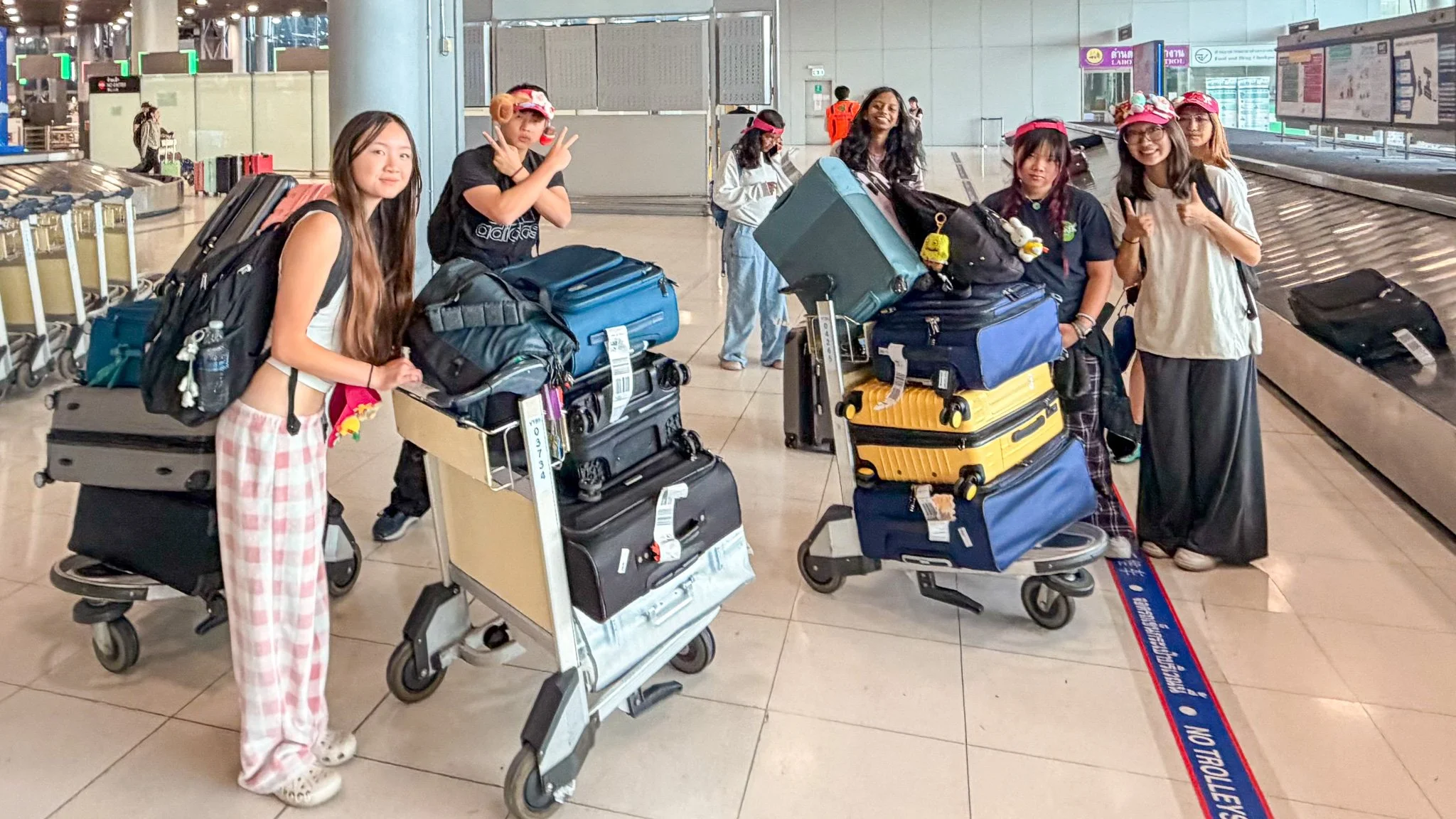
We have developed the recommnded minimum of things to carry and encourage students to pack light and learn to manage their own belongings. Carrying your own luggage, remembering your belongings, keeping track of important items, and deciding what you actually need are part of learning how to travel independently.
-
We will provide parents with a recommended amount before departure. Meals, transportation, and attraction fees are covered as part of the trip donation. Students may want personal spending money for snacks, souvenirs, shopping, and personal purchases.
Managing money is part of the learning experience. Students learn that traveling doesn't mean unlimited spending. They have to make choices.
-
Yes. Phones ARE REQUIRED for the trip. We use them for communication, photography, translation, maps, transportation, research, and emergencies.
But GEI is not designed for students to travel halfway around the world and spend the experience looking at a screen. Students are expected to participate, observe, communicate, and interact with the people and environment around them.
-
That's okay! GEI can be a student's first international experience.
Before departure, students learn basic expectations regarding airports, immigration, passports, money, transportation, cultural differences, safety, group behavior, and personal responsibility.
Students don't need to arrive knowing how to travel. They’ll return home knowing much more about how to travel.
-
Accommodation depends on the destination and itinerary and may include hotels or other organized group accommodations. Families will receive specific accommodation information as the trip is finalized.
-
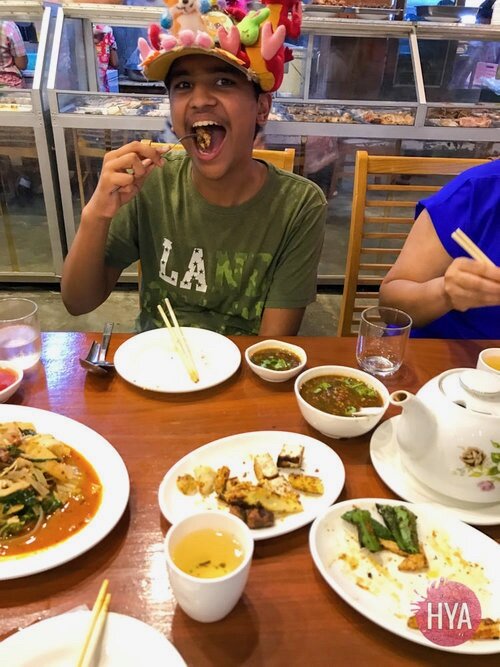
Students experience local food as part of learning about another culture. We understand that some students have dietary restrictions or allergies. Parents must provide this information when submitting their application so appropriate planning can be made.
At the same time, we encourage students to arrive with an open mind. Trying something unfamiliar is part of traveling.
-
Transportation depends on the destination and can include airplanes, trains, buses, vans, public transportation, and walking.
During the second week especially, students will participate in figuring out how to reach destinations themselves. Learning how people actually move around another country is part of understanding that country.
-
The amount of independence students receive depends on their age, location, activity, and safety conditions. Students must follow meeting times, established boundaries, buddy/group requirements, and instructions from Hongyun and Tommy.
Freedom comes with responsibility.
-
International travel requires responsibility. Students are expected to respect safety rules, local laws and cultures, other students, adult leaders, communities we visit, meeting times, and group expectations.
Serious or repeated behavior problems will be communicated to parents and handled according to the circumstances. Safety-related rules are non-negotiable.
-
Parents and students will receive detailed information including the itinerary, packing information, travel documents, safety expectations, communication procedures, group expectations, and destination information.
Students should participate in preparing themselves. Preparing documents, packing correctly, understanding expectations, and learning to manage themselves are all part of becoming an independent traveler.
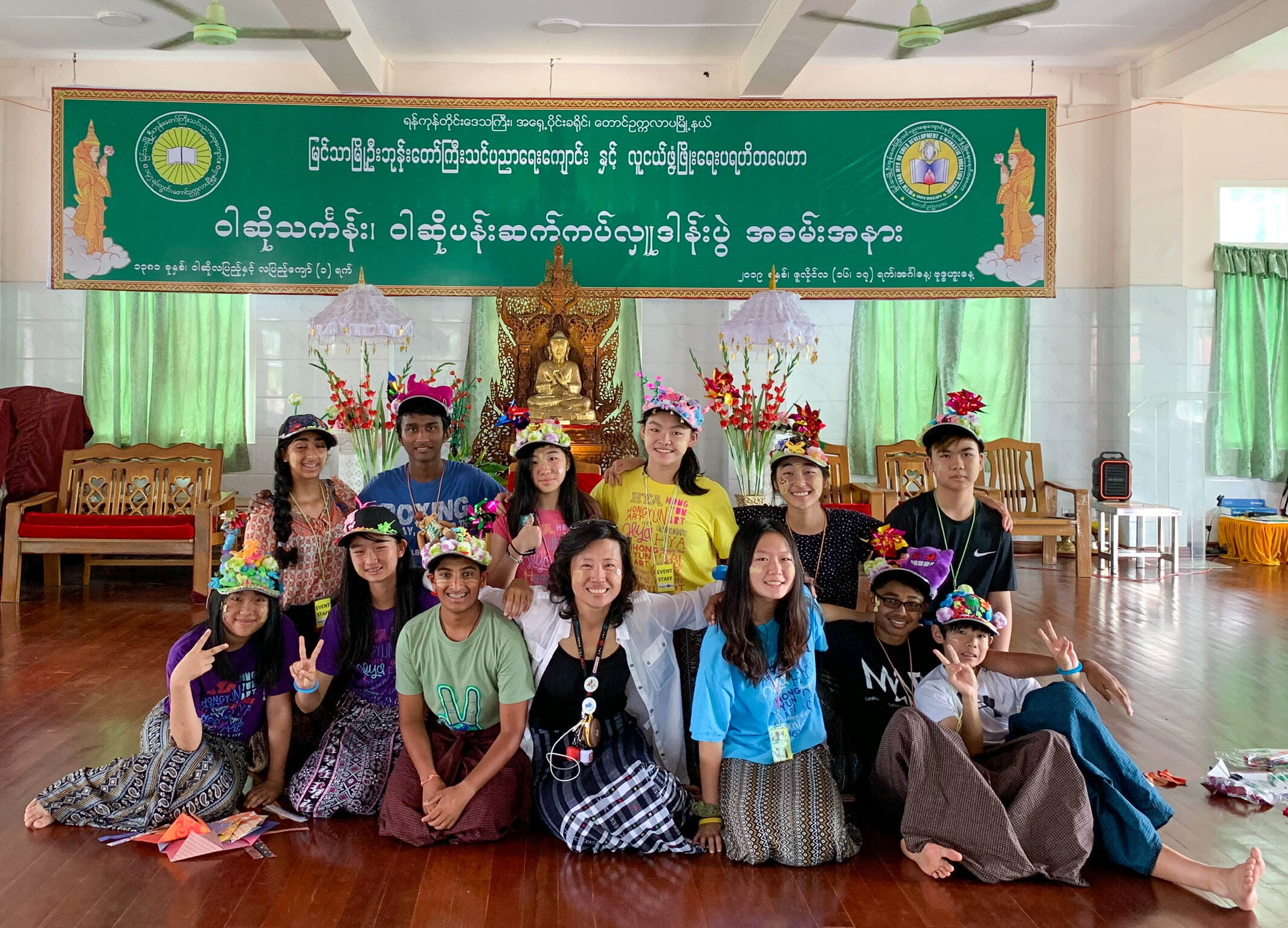
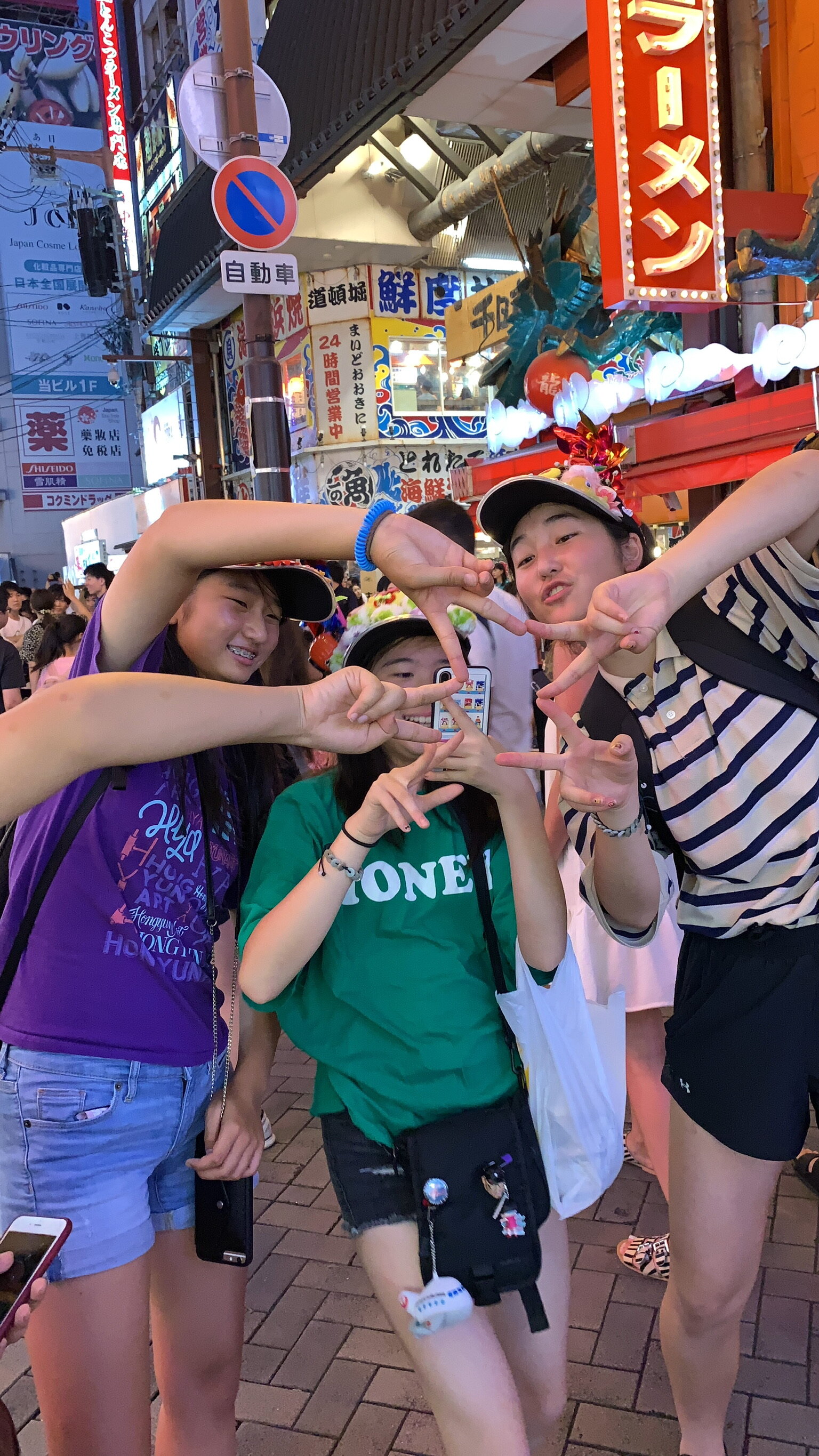
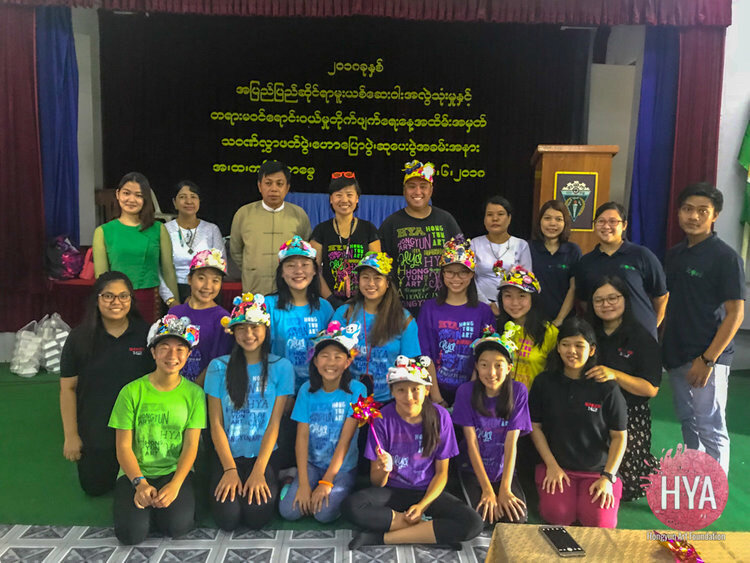
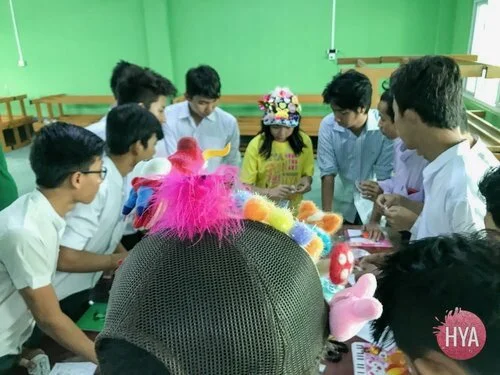
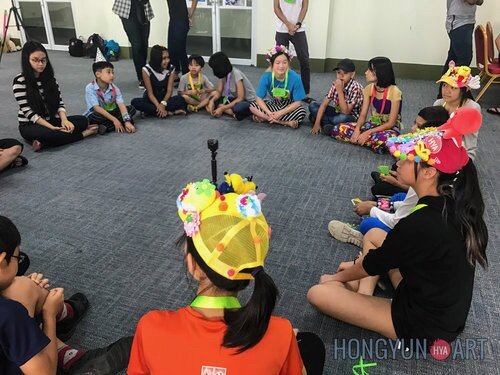
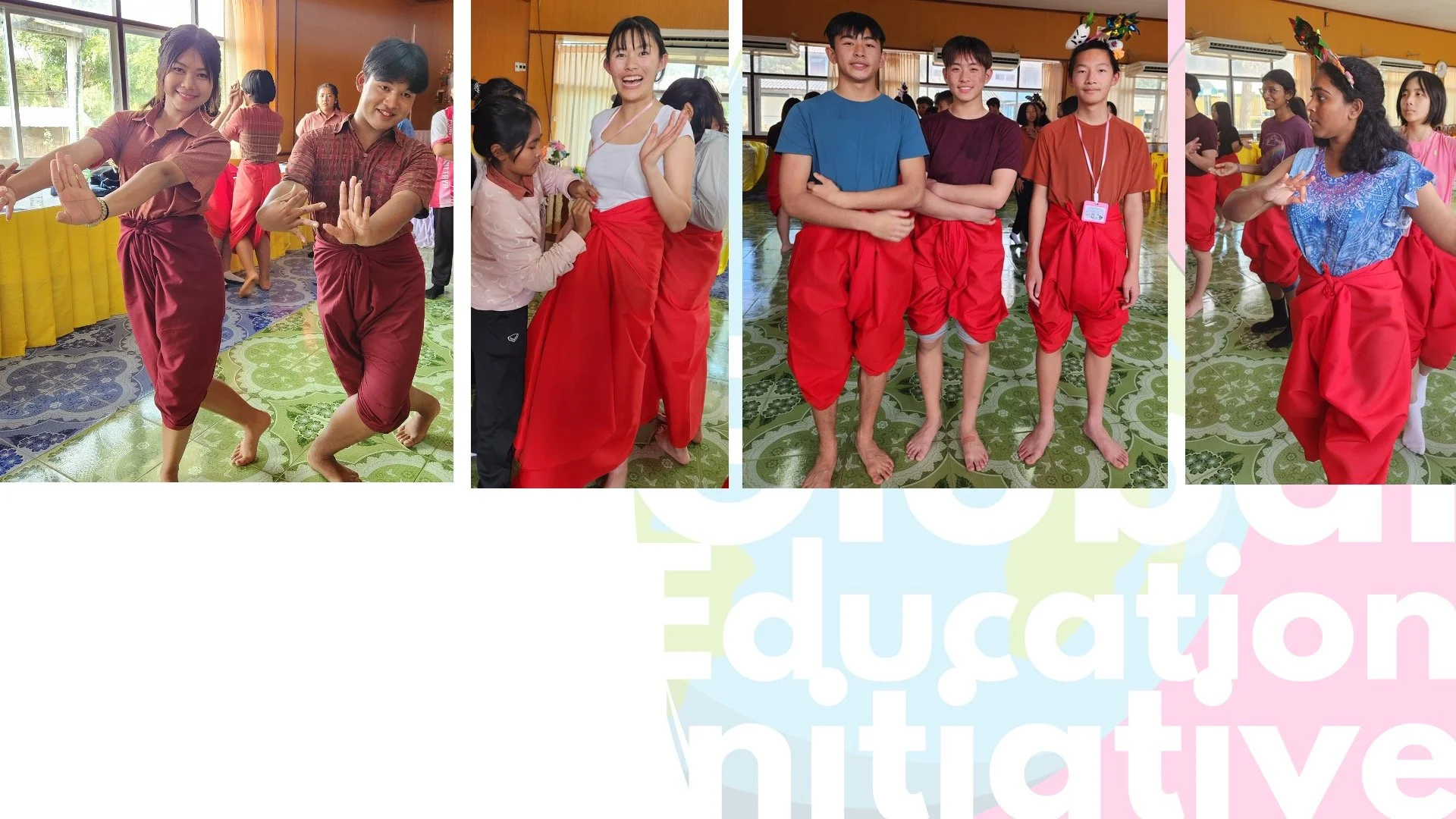
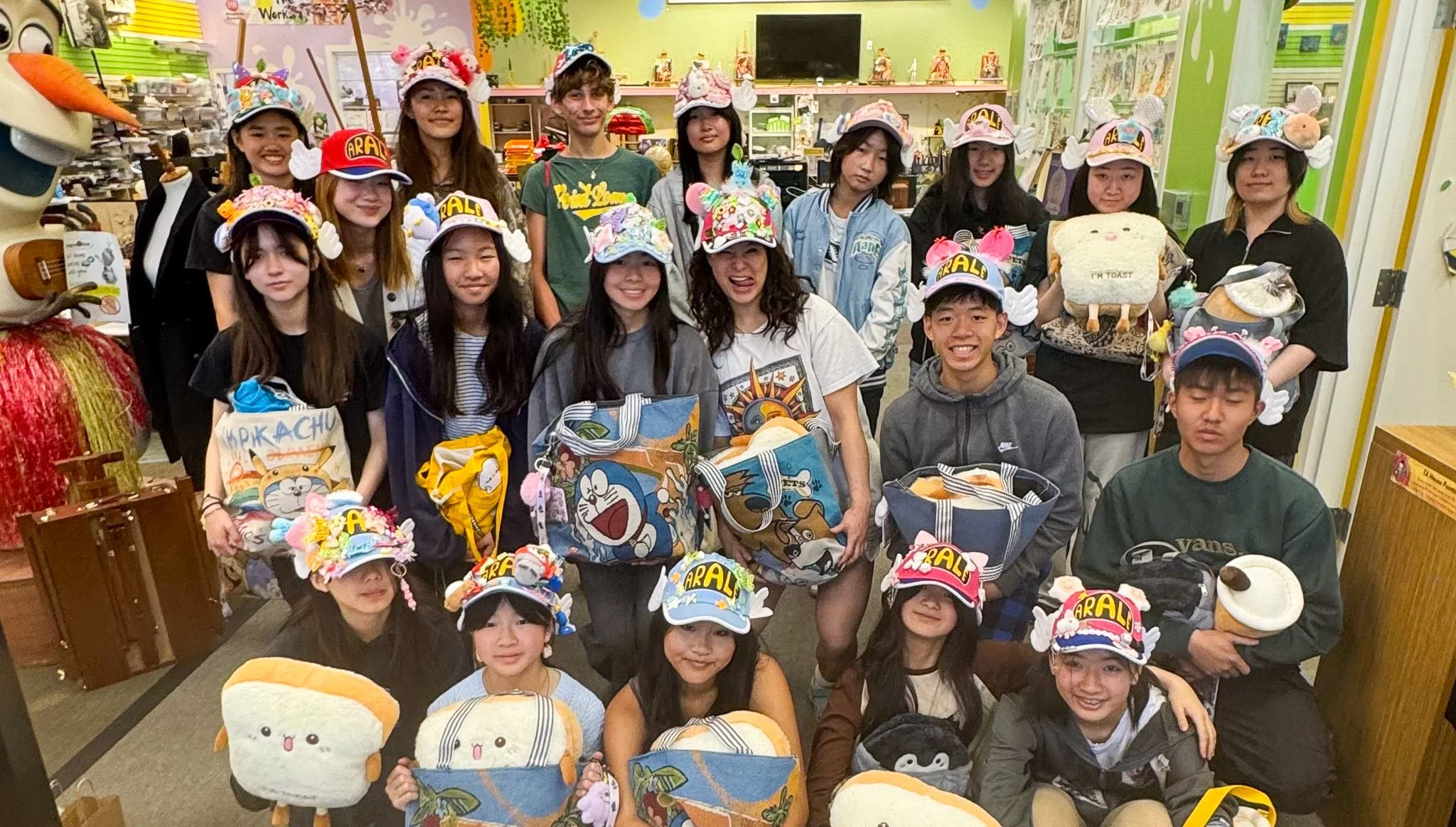
Students will also begin meeting in their teaching teams to prepare curriculum, work on projects, practice ice breaker games, and make a signature uniform headwear for the trip.
GEI Annual Cycle
-
October
GEI Info Session and Signups
-
November
Team Selection and travel booking
-
February
Team Curriculum and Trip Planning meetings begin
-
April
Team In-person meetings to prepare projects, troubleshoot, teambuild
-
June
GEI Trip
GEI 2026 International Trip Recap